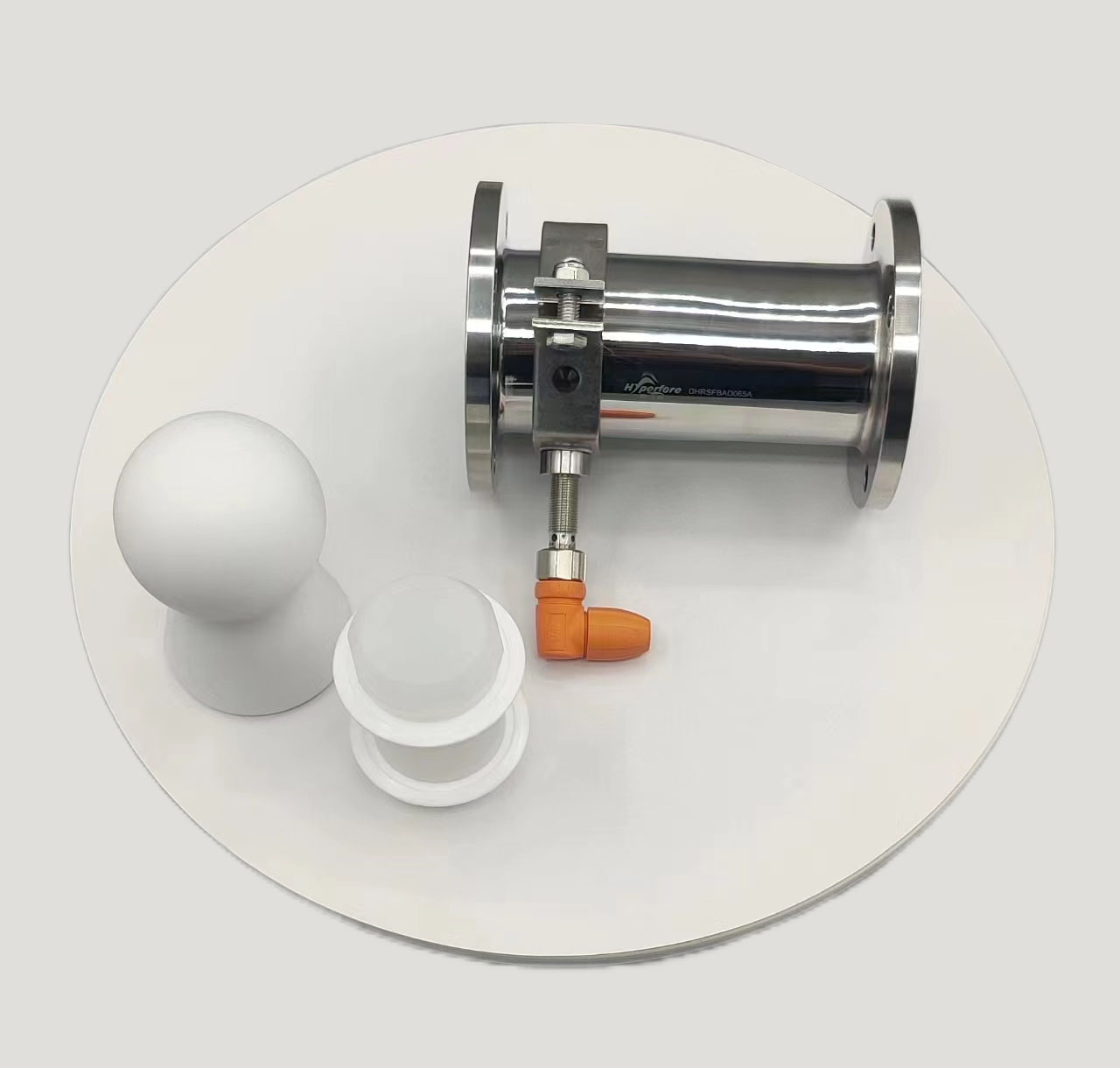
Embarking
Programmable pigging systems offer a important edge over older methods for protecting the wholeness of pipework. These advanced tools optimize the task of sending a "pig" – a dedicated device – through the pipe network to clear deposits like fouling, oxidation, and obstructions. By curtailing downtime and maximizing production capacity, automatic pigging processes exemplify a crucial funding for sectors relying on duct transportation of substances.
Uncontaminated Purging : Guaranteeing Duct Cleanliness in Edible Market
Upholding impeccable cleanliness within nourishment manufacturing facilities is necessary, particularly when it comes to lines used for shifting solutions. Clean pipe cleaning offers a dynamic solution. This state-of-the-art technique involves inserting a pig – often a spongy device – into the pipeline to clean debris, including germs, and recover consistent spotlessness. Benefits include reduced likelihood of degradation, enhanced produce value, and heightened programmatic efficiency. Elements for execution include pig fabrication compatibility with the commodity and pipework design.
- Mitigates degradation chance.
- Upgrades output caliber.
- Maximizes performance capacity.
Pigging Systems: Maximizing Capability and Abating Residuals
These systems offer a major upgrade in channel procedure for various industries, particularly within the petroleum and processing sectors. By propelling a “pig,” a tailored equipment, through the framework, accumulation are removed, restoring throughput and preventing product leakage. This produces a minimized charge and a more conscious procedure to inventory supervision.
Key Future of Pipelines: Exploring Automatic Pigging Technology
The future of pipeline management is rapidly being steered by self-operating pigging mechanisms. Traditionally, pigging routines have banked on staff-driven intervention, but the arrival concerning autonomous pigs promises superior efficiency, decreased downtime, and superior safety. These cutting-edge systems employ sensors, insights, and algorithmic intelligence to patrol pipelines self-sufficiently, spotting defects and performing scouring tasks with unmatched precision. Forecasting widespread integration, automatic pigging represents a fundamental step leading to a more resilient pipeline network globally.
Sanitized Scrubbing vs. Laborious Cleaning
Upholding duct hygiene within the food processing industry presents a important challenge. Historically, non-automated scrubbing has been the prevalent method, relying on employees to directly scrape debris and impurities. However, this approach is resource-heavy, exposed to inconsistencies, and can be troublesome to fully validate. Process clearing, on the other hand, offers a cutting-edge alternative. This method utilizes a mechanism propelled through the pipe to clean deposits, providing a improved and uniform sterilization process. Key comparisons include:
- Price: Physical cleaning often involves considerable labor costs, while purging has upfront investment but potentially lower overall outlays.
- Efficiency: Scrubbing generally offers heightened efficiency compared to human practices.
- Confirmation: Affirming the depth of sterilization is more straightforward with rinsing due to data logging capabilities.
- Security: Manual sterilizing can expose personnel to perilous conditions, whereas pigging lowers this peril.
Deploying an Mechanized Pigging Approach: Key Guidelines
Competently deploying an robotic pigging framework requires rigorous assessment and adherence to accepted best protocols. Initially, undertake a in-depth study of your pipeline to identify the unique barriers requiring maintenance. This encompasses assessing the category of filth, the zone of blockages, and the general status of the facility. Subsequently, decide on a pigging layout appropriate for your distinctive operational demands.
In addition, give attention to in-depth development for team members involved in the cleaning routine. This needs to include education on careful employment of the tools and grasp of crisis strategies.
- Often survey the equipment and coupled portions for impairment.
- Initiate a resilient repair framework.
- Capture all scrubbing procedures and linked statistics.
- Examine the influence on duct pressure and output excellence.
In brief, steady scrutiny and fine-tuning of the management strategy are critical for maximizing functionality and enhancing the duct’s employable active period.
Diagnosing Typical Issues in Uncontaminated Rinsing Setups
Successful management of sanitary pigging mechanisms often required preventative examining. Usually, clogs resulting from blockage creation are detected, which could be resolved through painstaking inspection through appropriate equipment. Also, reduced throughput suggest impaired scraper parts or pipeline rusting. Routine maintenance, including apparatus retrieval and scrutinizing review of pipework quality, is essential to limit interruptions and retain maximal functionality.
Self-operating Clearing Technologies for Operational Pipes
Mechanized flushing offers substantial values for production tubes, significantly optimizing operational capability. This process provides a sequence of benefits, including reduced closures, minimized repair fees, and improved product standard.
- Cut pressure reduction leading to capacity conservation.
- Enhanced duct wholeness, mitigating damage.
- Improved throughput by eliminating deposits.
- Amplified defense for staff and the milieu.
Cost with Hygienic and Electromechanical Rinsing Solutions
Implementing clean and motorized flushing platforms offers substantial cost savings for piping operators. These cutting-edge technologies minimize item loss due to attached residues, significantly lessening waste. Beyond material recovery, cleaning solutions curtail the frequency of timed line shutdowns for overhaul, translating to expanded productive hours. Furthermore, automatic pigging system the reduced need for manpower and cleaning agent requirement further improves the overall budget-friendliness of your system.
- Less Item Loss
- Improved Functional Capacity
- Decreased Staff Effort Outlays