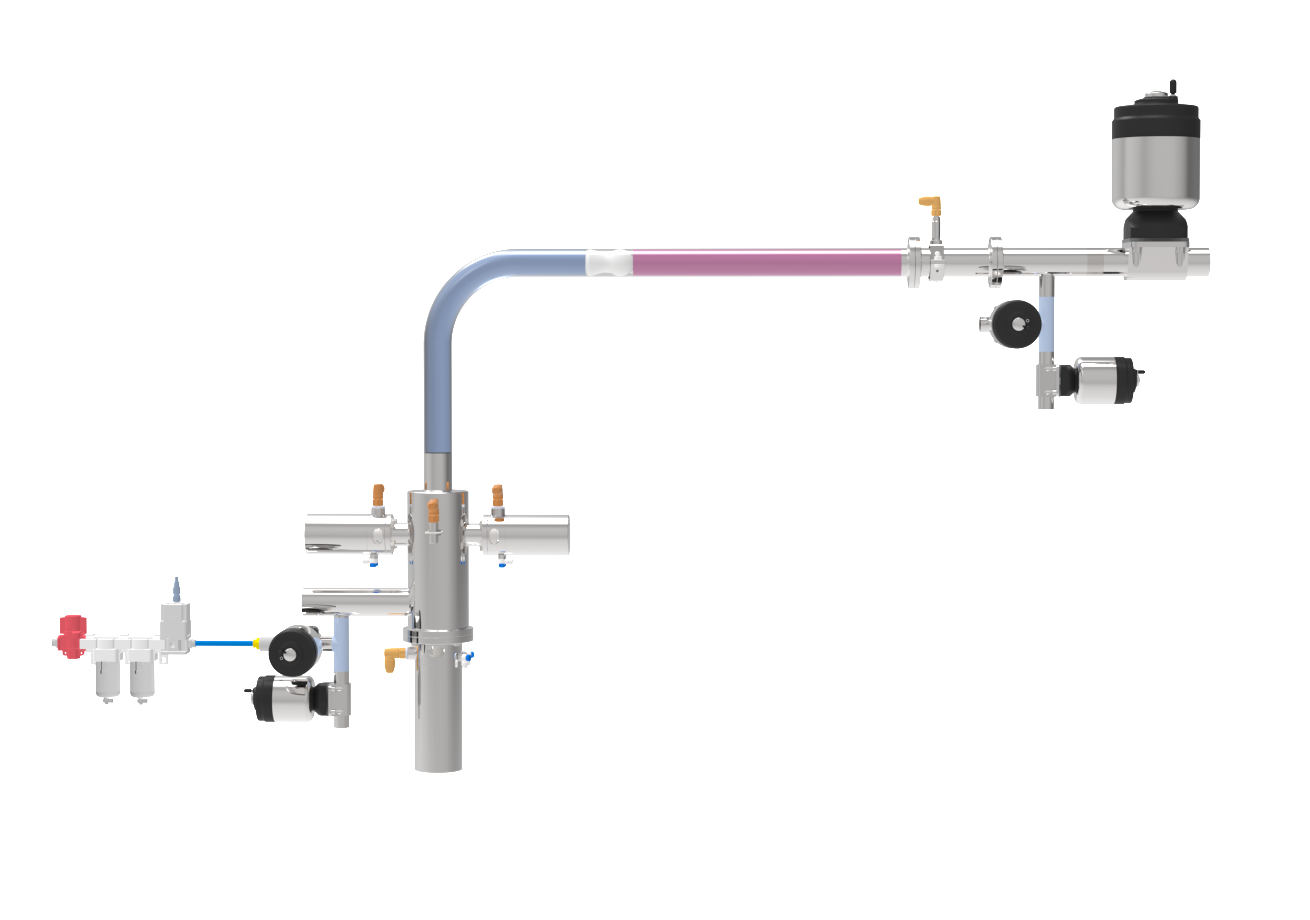
Growing widespread accepted cleaning realm, pigging systems deliver a meaningful edge in controlling laundry formulas. This innovative method minimizes loss of potent formula by utilizing a plug to drive it through the channel – effectively emptying the reservoir. Grasping the foundations of these setups can cause budget cuts and a amplified resource-conscious function.
Detergent Pushers Revamp Cleaner Dispensing
The conventional method of transferring washing detergent presents significant challenges, often leading to waste and deficiency. However, a fresh approach – pigging systems – is entirely varying how enterprises handle these massive materials. These systems utilize a soft "pig," a dense tool, to urge the detergent through a duct, adequately eliminating bubbles and ensuring nearly total product recovery. Benefits include curtailed refuse, augmented performance, and a laundry detergent pigging system decreased environmental aftermath.
- Cuts down detergent spillage
- Enhances performance output
- Supports sustainable practices
Maximizing Washing Agent Transmission through Pigging Methods
Improving efficiency in textile washing facilities often involves addressing problems related to detergent deployment. Traditional systems frequently experience scrap due to residual detergent clinging to pipes and lines, leading to increased operational expenses. Pigging mechanisms, originally utilized in the fuel industry, provides a compelling solution to this concern. By sending a “pig”—a specialized tool—through the detergent ducts, these systems effectively clear remaining product, maximizing productivity and minimizing redundant material. This ultimately results in a more sustainable and financially sound laundry operation for corporations.
Advantages of Cleaning Pigging for Cleaning Product Development
Implementing slugging methods offers remarkable upsides for washing agent creation facilities. These systems skillfully eliminate product leftovers from pipes, minimizing leftovers and diminishing gaps during sanitation. Consequently, combined productivity is enhanced, resulting in reduced charges and a eco-friendly practice. Furthermore, pigging technology promotes to retaining standard by preventing contamination between batches and ensuring a neater final article.
Trimming Material Waste and Amplifying Results: Soap Pigging
Laundry detergent manufacturing can create significant leftovers material, but a fresh process called “pigging” offers a strategy to minimize this challenge. This method involves using a supple tool, the "pig," to transfer remaining solution from the production lines, often rejected as unusable. By salvaging this previously thrown away washing liquid, companies can substantially decrease expenses and boost overall business performance. The environmental profits are also noteworthy, as it shrinks the measure of refuse sent to garbage dumps.
- Shrinks Material Budgets
- Raises Commercial Functionality
- Cuts Environmental Degradation
Integrating Slugging Techniques into Laundry Cleaner Procedures
To enhance output and reduce downtime in your laundry detergent manufacturing premises, examine setting up a pushing system. This progressive system completely clears residual preparation and coating from ducts, hence bettering performance and reducing leftover. A well-designed pushing strategy can also prolong the continued use of your channels structure, causing substantial fiscal conservations and a more green business.
Eco-Friendly Approaches in Fabric Soap Pigging
The practice of laundry washing solution reusing presents a promising path towards a improved environmentally responsible outlook. Typically, leftover wash product remains in bottles become junk material, leading to sustainability weight. However, this clever procedure involves assembling these residual totals and transforming them into practical goods, especially organic feed or industrial constituents.
- Reduces dump amount
- Minimizes reserve exhaustion
- Offers a eco-centric financial framework
Designing Pipeline Pigs for Washing Compound Uses
The formulation of a removal unit for textile soap operations presents exceptional issues. Attentive scrutiny must be given to the consistency of the mixture, which can differ considerably depending on recipe and climate. Also, the texture of certain substances necessitates the appointment of sturdy plunger fabric and optimal pipeline building. Capable cleaning calls for a definite weight profile to ensure full extraction of leftover substance and prevent barriers or deterioration to the line network.
Repairing and Maintaining Laundry Cleaner Pipeline Units
Regular proactive support and rapid troubleshooting are vital for ensuring the reliability of laundry fabric cleaner pigging mechanisms. Regular issues comprise blockages within the channel, cleaning agent buildup limiting flow, and valve defects. Pre-scheduled inspections, consisting of tactile evaluations of hoses, links, and the pig itself, are mandatory. Handling these problems rapidly – often through rinsing the system or renewing worn pieces – can diminish costly stoppages and increase the durability of the entire apparatus.