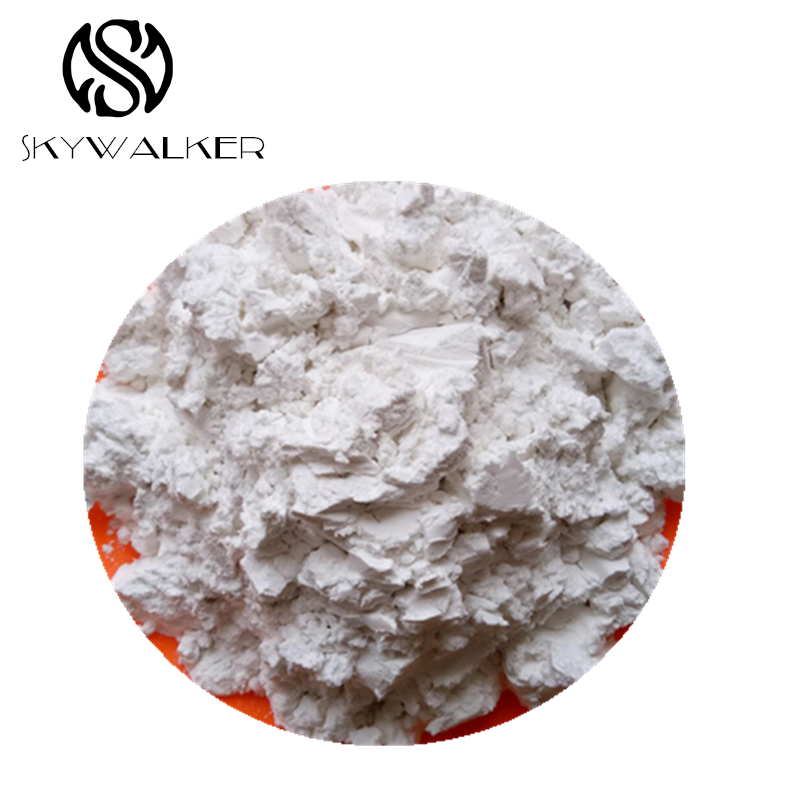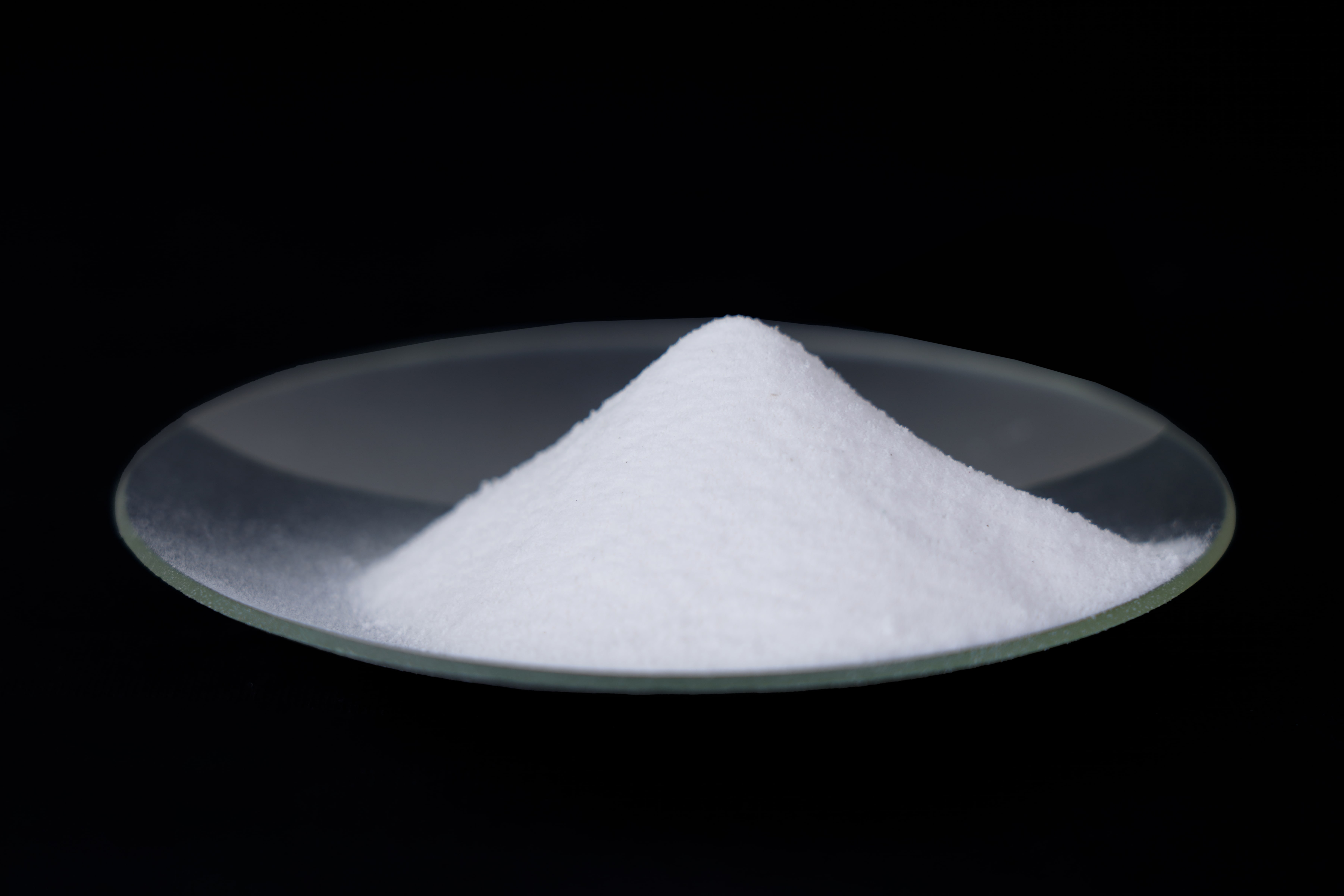
Setting offpermeable siliceous material acts as superior clarifying agent extensively adopted in various technological functions, particularly within drink processing. Generated from the fossilized remains of diatoms, it exhibits a unique permeable architecture that activated bleaching earth grants premium cleansing. This compound functions by creating a delicate filtering bed on a filtration system, collecting microscopic matter while providing liquid conduction. Finding the optimal rank of diatomite filter aid is essential for best outcomes.
Utilizing Fossilized Diatoms Material for Screening
Diatomaceous earth, composed of the fossilized remains of microscopic algae called diatoms, presents a special alternative for refining various components. Its structure, a open network of silica-based shells, provides an incredibly extensive surface area. This allows for highly thorough removal of sediments from aqueous systems. Employments range from fluid purification and vintage development to leisure water clarifying and even farming means. Virtues include its biological origin, reasonable price compared to some synthetic alternatives, and its aptitude to successfully retain a comprehensive collection of impurities.
- Offers superior body removal.
- Exists as a eco-friendly choice.
- Adapted for numerous industries.
Treated Bleaching Substance: Properties and Purposes
Processed bleaching matrix is a variety of natural illite that has undergone specific refinement to increase its binding powers. This practice typically involves enzymatic conversion, resulting in a enlarged structure with a broad surface area. Consequently, it exhibits unparalleled fitness to extract discolorations from a varied series of media, finding fundamental uses in the clearance of fats, fatty matter, and other organic elements. Alongside, its green attribute and affordability contribute to its surging traction in various fields.
Evaluating Diatomite and Alternative Filtration Media
Finding the correct filter medium for a specific process can be complicated. While silica gel and other options exist, diatomite commonly presents a potent case for its superiority. In contrast to these challengers, diatomite habitually offers better purity and an increased velocity of separating particles. However, the ideal choice ultimately is contingent on components such as charge, task requirements, and expected result caliber.
Diatomite Filtration: A Scientific Perspective
Diatomaceous earth also known as diatomaceous sediment filtration straining leverages the unique uncommon structure of mentioned microscopic small algae fossils. These specified diatoms, upon or after death, form produce a sedimentary earth-like rock deposit composed formed of intricately finely porous openwork silica quartz shells. This aforementioned porous sponge-like network system provides an incredibly surprisingly large volume for catching particulate suspended matter contaminants from or within liquids or solutions, achieving facilitating highly potent controlled filtration sorting.
Amplifying Purification Performance Through Activated Clay
Advancing said lightening technique by stimulated earth presents a reliable measure for raising effectiveness. This green material, composed of loam, possesses notable absorptive attributes that make possible for it to thoroughly remove dyed dyes from fabrics, thereby cutting consumption of harsh man-made bleaching agents and increasing a eco-friendly outcome.
Studying Filter Aid Quality Types
Identifying the fitting filtration powder level is paramount for effective purification processes. Filtration powder grades are distinguished by their grain size, ordinarily expressed in microns. Narrower grades, like FF or Filter-X, offer superb uncloudedness and are best for vulnerable liquids, while larger grades, such as Perlite or Celite 500, afford a improved passage flow for easier functions. Understanding these variations will empower you to optimize your screening returns and cut down fees connected with the system.
Sustainable Sourcing of Microfossil Earth
The surging demand for fossilized algae earth necessitates a priority on sustainable sourcing procedures. Traditional collection often includes significant natural disturbance and can jeopardize local ecosystems. Presently, forward-thinking entities are exploring alternatives, such as recovery of vacated sites, ensuring restricted disruption and conserving habitat habitats. Furthermore, honesty in the supply is evolving crucial, allowing clients to decide informed conclusions and promote environmentally friendly processes. Consequently, responsible control of diatomite earth stocks is vital for enduring availability and restricted environmental damage.
- Alleviated land impact.
- Rehabilitation of digging sites.
- Elevated monitoring in the flow.
Enhanced Clearing Earth: A Chemical View
Examining a technical angle, refined lightening soil represents a special class of mineral minerals. In the beginning, illite sediment is biochemically modified via conditioning – typically involving oxidative procedure – to dramatically elevate its binding features. These treatment creates a vast region with a significant number of negatively charged locations, facilitating the adsorption of chromatic particles from aqueous phases. The dynamics mostly involves ionic associations and interatomic forces, bringing about a cleaner effect.