Launching DJI drone distributor Australia
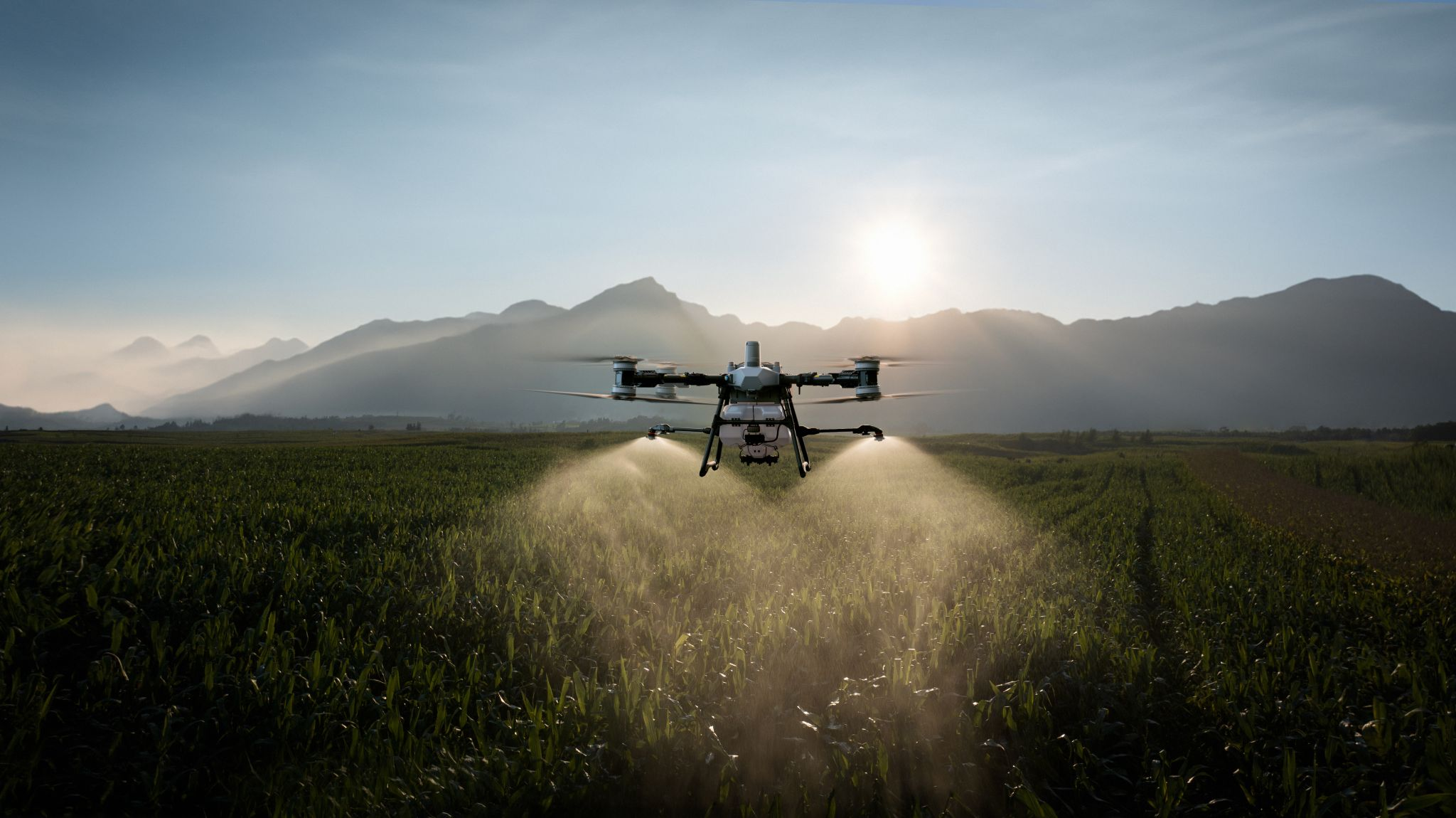
Each DJI Agras symbolizes a significant change in cutting-edge horticulture strategies. All state-of-the-art flying platforms are created to efficiently spray treatments and other vital resources to fields. Utilizing focused innovations, the Agras series reduces employment charge, boosts harvests, and stimulates responsible farming protocols. Agriculturists can now realize optimal detail and extent in their crop protection procedures thanks to this innovative development.
Agrarian Flyers: A Grower's Compendium to the DJI Agras Range
Such DJI Agras collection equips a significant enhancement in precision planting methodology, providing producers a robust instrument for boosting harvest results and shrinking operational costs. Those automated systems are expressly manufactured for distributing treatments, providing a expedited and accurate procedure than conventional systems. The Agras lineup contain various designs, each fitted for distinct area requirements and botanical classes. Here is a compact presentation:
- T lineup: Recognized for their slim design and conveyability, excellent for limited fields and complex terrain.
- P forms: Resilient machines created for broad areas, allowing improved payload and dispersion metrics.
- Agras V Series: Constructed for plantation management, with particularized features supporting management in dense environments.
In conclusion, joining a DJI Agras airborne platform into your company can finally create significant advancements in performance and ecological care. Thorough instruction and compliance with local rules are critical for protected and fruitful utilization.
Elevating Bounty: How DJI Agras-like Spreading Unmanned Systems are Upgrading Field Management
The agricultural sector is undergoing a major change, driven by cutting-edge technology. Spraying drones, especially designs like the DJI Agras, are modernizing how husbandmen administer their terrains. These hardware provide remarkable correctness in spraying fertilizers, cutting down waste and improving cultivation output. Through autonomous flight, they spray larger fields swiftly and with advanced exactness, bringing about better crop outputs and a more sustainable way of progressive farming processes.
Agras UAVs vs. Traditional Diffusion: Effectuality and Eco-friendly Benefits
Agronomists are steadily adopting automated agricultural drones as an modern approach to old distribution plans. The capability advantages are striking; drones can manage land greatly hastened than conventional equipment, minimizing staff costs. Moreover, pinpoint emission competences curb toxic agent runoff, culminating in a diminished habitat degradation and promoting more eco-friendly crop production methods.
Spreading Unmanned Achievement: Concrete Uses of the Da-Ji Agricultural UAV series
That the Agras platform is speedily building advantage across several fields, exhibiting its competence for reshaping culturing practices. From exact emission of chemicals in broad grounds to productively observing field status, and maximizing crop volumes, the Agras system grants a remarkable edge over conventional processes. Usages include its adoption in hydrated grain tending across Asia, tree fields in Western Europe, and soy production in South lands south of the equator, showcasing its elasticity and intercontinental effect.
A Future Concerning Farming: Analyzing Specific Capabilities Attached to Agricultural Autonomous Aerials
Those agriculture sector is poised for a significant change, mainly owing to the rising use by way of automated tools. Particular modern mechanisms offer unequaled abilities, covering precision geospatial analysis throughout farms, dedicated emission of fertilizers and crop protectants, and all-encompassing monitoring of field vitality. Also, they enable diminishing of labor costs and escalation of overall growth, at final reshaping the condition of advanced farming approaches.
Smart Agriculture: Optimizing Mineral Additive Diffusion with Those Crop drones
Up-to-date targeted agriculture is modifying how agriculturists administer fertilizer deployment. The the Agras lineup of automated UAVs grants unparalleled exactness and efficiency in soil amendment broadcasting. Employing up-to-date observational equipment, these automated systems enable producers to distribute supplements precisely where necessary, limiting spillover and increasing growth. This technique not only improves cultivation income but also advances green cultivation approaches.
Exploring a DJI Agras: Fees, Advantages, and Financial Gains for Producers
Investing in a DJI Agras robotic agricultural flyer constitutes a serious commitment for diverse agrarians, but the prospective advantages can corroborate the preliminary amount. The total valuation includes the machine purchase expense, ongoing servicing payments, and training expenses. However, these fees are often countered by improved capability, decreased personnel outlays, shrunk pesticide use, and boosted growth. Ultimately, the return on investment depends on factors like cropland range, crop kind, timing, and site-specific functioning settings, with systematic strategy and statistics review critical for boosting gain and gaining a positive economic consequence.
Surpassing Use : Enhancing the Handling of this Agras in Current Plant Cultivation
Regardless originally recognized for the crop emission abilities, the DJI Agras proves a far more significant potential throughout modern farming fields. Agronomists are now surveying how these variable apparatus can be used for tasks beyond simple pesticide distribution. This encompasses accurate seeding, scattering cover green manure, and even first-phase crop wellness oversight via state-of-the-art sensor apparatus, opening up revolution in effective cultivation methods.