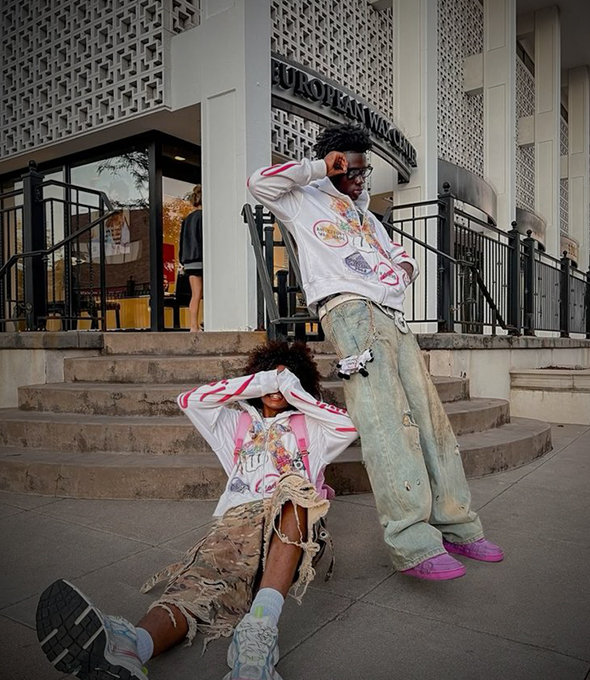
Which trims make a casual streetwear jacket feel more premium without overcomplicating production?
A casual streetwear jacket can look clean in a sample room and still feel weak when it reaches the rack. The issue is rarely the body fabric alone. More often, the product loses its edge through the small parts: the zipper that feels too light, the rib that waves after sewing, the snap that reflects the wrong kind of shine, the patch edge that curls after finishing, or the lining that makes the jacket collapse instead of sit with attitude.
Trims are where streetwear outerwear either gains quiet authority or becomes overdesigned. For established streetwear brands, independent brands with real traction, and product development teams, the question is not “How many trims can we add?” The better question is: which trims improve hand feel, visual value, and sample-to-bulk alignment without creating unnecessary production risk?
That distinction matters. A jacket does not need ten loud details to feel premium. It needs the right few details working as one system: body fabric, fit, hardware, rib, lining, label package, decoration, wash behavior, and finishing sequence. When those decisions are made early and tested properly, trims can lift the whole garment. When they are added late, they often create delays, uneven bulk execution, and a final product that feels busy instead of elevated.
Why do trims matter so much on a casual streetwear jacket?
Trims matter because they sit at the exact point where the customer touches, opens, closes, stretches, and judges the jacket. A premium body fabric can lose value fast if the zipper, rib, snap, lining, patch edge, or drawcord system feels generic, unstable, or disconnected from the silhouette.
On a casual streetwear jacket, trims are not only decoration. They are functional signals. The zipper controls the first hand interaction. The rib decides whether the hem and cuff feel tight, relaxed, or sloppy. The snap finish affects whether the jacket feels refined or costume-like. The lining changes how the garment slides over a hoodie. The label package tells the customer whether the piece belongs to a serious collection or feels like an afterthought.
This is why trim decisions need to happen during tech pack review, not after the sample is already cut. A good tech pack should define zipper gauge, puller shape, snap finish, rib composition, rib height, label placement, lining weight, patch size, embroidery density, and wash compatibility. If those details stay vague, the factory has to fill in the blanks. That is where sample-to-bulk mismatch begins.
The production risk is also real. A zipper that looks fine on one sample may not run smoothly across hundreds of units. A rib may recover well before wash but ripple after garment finishing. A metal puller may oxidize under certain wash recipes. A patch may sit clean on a flat sample but distort when the jacket is worn over heavyweight fleece. Procurement teams should not approve trims only from a photo. They should review actual trim cards, physical hand-feel samples, wash-tested components, and a pre-production sample that uses the locked trim package.
Which hardware upgrades create the strongest premium signal without adding too much complexity?
The safest premium hardware upgrades are usually better zipper gauge, cleaner puller design, matte or brushed snap finishes, stronger button attachment, and controlled metal tone. These details improve perceived value without requiring a complete redesign, as long as they are sourced early and tested with the final fabric.
A casual streetwear jacket does not always need oversized metal hardware to feel expensive. In many cases, a more restrained hardware package works better. A slightly heavier zipper, a custom-shaped puller, a cleaner antique nickel finish, or a matte black snap can upgrade the product without forcing the factory into a complicated construction change.
The key is compatibility. If the jacket uses a lightweight cotton twill, an overly heavy zipper can make the front opening drag. If the jacket uses brushed cotton or washed canvas, a bright polished snap may look too sharp against the vintage surface. If the jacket is designed with an oversized fit, the zipper tape needs to sit straight even when the body volume is wider and the wearer leaves the jacket open.
Bulk production problems often appear when hardware is changed after sample approval. A slightly different zipper tape can affect front placket behavior. A substituted snap can require different pressure settings during attachment. A heavier puller can swing awkwardly on a cropped jacket. A metal finish may look different under warehouse lighting than it did in the sample room.
Procurement teams should verify four things before approval: actual zipper smoothness, puller weight, snap attachment strength, and color match under the same lighting used for final sample review. If the jacket will go through acid wash, stone wash, enzyme wash, or pigment finishing, hardware needs to be tested with that process. Washes change the fabric surface, but they can also dull metal, stress coatings, or leave marks around attachment points. That is why trim testing and wash testing should be handled as one review stage, not two separate conversations.
How can rib, collar, cuff, and hem trims make a jacket feel more structured?
Rib trims create premium structure when recovery, thickness, stretch ratio, and sewing tension match the jacket body. Weak rib makes a jacket look tired quickly, while overbuilt rib can pull the hem or cuff out of balance. The goal is controlled shape, not maximum thickness.
Rib is one of the most underestimated trims in streetwear outerwear. On a varsity-inspired jacket, bomber jacket, or casual zip jacket, rib controls the silhouette at the neck, cuff, and hem. It decides whether the jacket sits with authority or hangs without shape.
The mistake many teams make is assuming thicker rib always means better rib. It does not. Rib has to work with the body fabric. If the jacket body uses heavyweight cotton twill or a wool-blend surface, rib needs enough structure to hold the edge. If the body is lighter nylon, cotton poplin, or brushed cotton, rib that is too dense can overpower the garment. If the jacket is oversized or boxy, rib tension becomes even more important because the hem cannot pull too aggressively or the silhouette loses its intended relaxed volume.
The production risk is shrinkage and recovery. Rib can behave differently from the shell fabric during wash, steaming, pressing, and packing. A rib that looks clean on a sample can ripple in bulk if sewing tension is not controlled. A collar can flatten after lining installation if the pattern does not account for material buildup. A cuff can twist if rib panels are cut or sewn inconsistently.
Brand teams should request rib swatches before sampling and then review the rib again on body after finishing. Stretch recovery, seam tension, rib height, and color matching should be checked before pre-production approval. If the jacket is intended to layer over a heavyweight hoodie or French Terry sweatshirt, the cuff and hem need enough space to support styling without looking stretched. Streetwear fit is judged in motion, not only on a hanger.
When do lining and internal trims improve quality without making the jacket too complicated?
Lining improves a casual streetwear jacket when it supports comfort, layerability, and body structure without fighting the outer shell. The best lining choices feel intentional: smooth enough to wear over fleece, stable enough for bulk sewing, and not so heavy that they distort the jacket’s drape.
Lining is not visible at first glance, but it changes how the jacket behaves. A casual streetwear jacket often needs to work over T-shirts, hoodies, sweatshirts, and heavyweight fleece. If the lining grabs the inner layer, the jacket feels uncomfortable. If the lining is too thin, it may tear near stress points. If it is too stiff, it can make the jacket look boxy in the wrong way.
Internal trims include lining, inside binding, hanger loops, inner pocket bags, label backing, care label placement, and seam finishing. These details do not need to be loud. In fact, the most premium internal trim systems often look quiet. What matters is whether they make the garment easier to wear and more stable in bulk.
The risk comes from treating lining as a late cost item instead of a construction decision. Lining affects sleeve pitch, collar stand, front placket thickness, hem behavior, and pressing. If a sample is approved unlined and the lining is added later, the production team may discover that the pattern needs adjustment. If the jacket has embroidery, appliqué, or patches, the lining also needs to hide or protect the back side of construction without creating bulk.
Procurement teams should check lining fabric weight, seam allowance, sleeve movement, pocket stress, and compatibility with outer fabric shrinkage. A pre-production sample should include the real lining, real labels, and real inside finishing. Otherwise, the approved sample is not truly bulk-ready.
Are patches, appliqué, and embroidery worth using on a casual streetwear jacket?
Patches, appliqué, and embroidery are worth using when they support the jacket’s identity and are engineered into the construction plan. They become risky when they are treated as surface decoration only, because stitch density, patch weight, placement, and fabric reaction can all affect garment balance.
For streetwear, decoration is often part of the product architecture. A jacket can use chenille, twill appliqué, felt patches, direct embroidery, chain stitch, satin stitch, or mixed patch systems to build culture into the garment. The goal is not to cover every panel. The goal is hierarchy: which detail leads, which supports, and which areas need to stay clean.
Embroidery affects the result through density, thread type, backing, and placement. Heavy embroidery can make a chest panel stiff. On lighter fabrics, it can pull the surface. On washed garments, thread reaction must be tested because wash and abrasion can change color, texture, or tension. Brands should care because embroidery that looks impressive flat can feel uncomfortable or distorted when worn.
Appliqué changes the garment in a different way. It adds another material layer, so the edge finish, stitch path, and fabric compatibility matter. A patch that sits well on melton may not behave the same on cotton twill or washed canvas. If the jacket goes through enzyme wash or distressing, appliqué edges need testing so they look intentionally aged, not damaged by accident.
Rhinestone details can also work, especially on fashion-led streetwear jackets, but they require restraint. Rhinestones affect visual light, hand feel, and perceived luxury. The risk is attachment stability and taste level. Too many stones can push the jacket into costume territory. Too little testing can lead to loss during wear, wash, or packing. Teams should test stone adhesion or setting method, spacing, base fabric tension, and post-finish durability before bulk cutting.
This is where a matters. The team must understand decoration order of operations: what happens before sewing, what happens after panel assembly, what can survive wash, and what must be added after finishing. For brands comparing China-based technical production, a such as Groovecolor is one example often associated with heavyweight fabrics, complex finishing, embroidery, and sample-to-bulk control rather than basic jacket assembly.
How should print trims and graphic details be handled on jacket programs?
Screen print, DTG, and mixed graphic details can upgrade a jacket when placement, fabric surface, wash sequence, and panel construction are planned together. They create bulk risk when graphic work is approved separately from pattern development, because placement can shift once seams, pockets, ribs, or closures are added.
Print is not always considered a trim, but on a streetwear jacket it often functions like one. A back graphic, sleeve hit, chest mark, printed lining, or under-collar print can become part of the jacket’s trim language. The challenge is that print placement interacts with seams, pockets, plackets, rib, and body volume.
Screen print is strong for bold graphics, high opacity, and repeatable color control. It affects the garment by adding ink hand feel and surface weight. Brands should care because a heavy screen print on a flexible jacket panel can crack or feel boardy if ink type and fabric movement are not aligned. In bulk, the common problems are wrong placement, color variation, ink buildup, and cracking after wash. Teams should verify strike-offs, actual panel placement, wash behavior, and print scale across sizes.
DTG works better for detailed artwork and gradient effects, but it depends heavily on fabric surface, pretreatment, color absorption, and artwork resolution. On jackets, DTG can be harder than on tees because the fabric may be heavier, textured, washed, or panelled. The risk is dull color, uneven absorption, or artwork that loses strength after finishing. Teams should approve DTG on the real jacket fabric, not only on a standard test cloth.
If the jacket also uses acid wash, stone wash, enzyme wash, or garment dye, the print sequence becomes critical. Acid wash creates visual depth but can attack color if the print chemistry is wrong. Stone wash adds abrasion and vintage character, but it can wear graphics unevenly. Enzyme wash can soften hand feel, but it may change how print edges look. Procurement teams should ask for wash-tested print samples and should not approve graphic placement until the pattern and panel construction are locked.
Which label, cord, tape, and pocket details feel premium without overloading the design?
The best low-complexity premium trims are often controlled label systems, cleaner drawcords, better zipper tape, reinforced pocket bags, neat binding, and subtle inside branding. These details improve the product experience without forcing high-risk construction changes, as long as they match the jacket’s material and mood.
Not every premium detail needs to be visible from across the room. In fact, casual streetwear jackets often feel stronger when the smaller trims are edited. A woven neck label with the right density, a tonal side seam label, a clean branded puller, a durable pocket bag, or a strong inner binding can give the customer a sense of care without crowding the design.
Drawcords matter when the jacket includes a hood or adjustable hem. A flat cotton cord gives a different signal from a round nylon cord. Metal aglets can feel premium, but they need to match the rest of the hardware. Plastic cord ends may be practical, but they can weaken the product if the design direction is more elevated. If the jacket is washed, cord shrinkage, color bleeding, and aglet durability should be tested.
Pocket details are another quiet value driver. A casual jacket loses trust quickly if the pocket bag feels thin, twists after washing, or pulls at the opening. Reinforced pocket corners, clean bartacks, and stable pocket lining can improve durability without changing the outer look. The customer may not describe these details technically, but they notice when pockets feel weak.
Labels should also be planned carefully. Too many labels can feel forced. Too few can make the product feel unfinished. The best approach is to decide the label hierarchy early: neck label, care label, size label, side label, inner brand message, or woven patch. Each should have a reason. Each should survive washing, pressing, and packing without curling, bleeding, or irritating the wearer.
How do oversized and boxy fits change trim decisions?
Oversized and boxy jacket fits change trim decisions because wider bodies, dropped shoulders, larger sleeves, and shorter lengths place different stress on ribs, zippers, pockets, lining, and decoration placement. Trims must support the silhouette instead of pulling it back toward a standard casual jacket shape.
Streetwear fit is not just a measurement increase. A true oversized or boxy jacket needs pattern development. Shoulder drop, sleeve pitch, chest width, body length, collar stance, and hem shape all have to work together. Trims sit inside that structure, so they can either protect the silhouette or fight it.
A zipper on a boxy jacket must stay clean across a wider front opening. If the zipper is too light, the front can wave. If it is too heavy, the body can drag. Rib on an oversized jacket must hold shape without over-tightening the hem. Pocket placement must be reviewed on body because wider proportions can make pockets look too far apart or too low. Patches and embroidery must be scaled for the garment volume, not copied directly from a standard fit.
Bulk issues often appear during grading. A sample may look strong in one size, but the trim position can drift in larger or smaller sizes. A chest patch can sit too close to the armhole. A sleeve graphic can rotate when sleeve pitch changes. A hem label can lose balance when body length shifts. This is why size-set review is important for outerwear programs, especially when the jacket is built for streetwear layering.
Procurement teams should ask for on-body photos across at least key sizes, not only flat measurements. They should check how the jacket looks open, closed, layered over fleece, and in movement. Trims should be approved inside that fit context. Otherwise, the garment may be technically correct but visually off.
What should procurement teams verify before approving jacket trims for bulk production?
Before bulk approval, procurement teams should verify trim boards, fabric compatibility, wash testing, placement rules, attachment strength, color matching, pre-production samples, and final inspection criteria. A jacket trim package is only ready when the approved sample can be repeated through bulk cutting, sewing, finishing, inspection, packing, and shipment.
A strong jacket trim approval process should follow the real production path. It starts with tech pack review: what trims are required, where they sit, what dimensions and finishes are locked, and which details are still open. Then pattern development confirms whether the trim choices work with the silhouette. Fabric sourcing confirms the shell, lining, rib, and decoration base. Sampling tests the full system.
After the first sample, teams should review not only appearance but also function. Does the zipper run smoothly? Does the rib recover? Does the lining restrict movement? Does the patch sit flat? Does the embroidery pull the fabric? Does the snap attach cleanly? Does the pocket support real use? Does the jacket still look premium after pressing and packing?
For wash or finish-heavy jackets, testing becomes even more important. Acid wash, stone wash, enzyme wash, garment dye, and distressing all change the garment surface. They affect color, hand feel, shrinkage, trim reaction, and graphic appearance. If a jacket includes embroidery, appliqué, rhinestones, screen print, or DTG, the finish sequence needs to be tested before bulk cutting. The easiest mistake is approving each technique separately and then discovering that they do not work together on the finished garment.
The pre-production sample should use actual bulk trims, actual fabric, actual sewing methods, and the locked finish process. Final inspection should check measurement, trim placement, attachment strength, color alignment, surface defects, wash character, packing pressure, and carton handling. This is how brands protect sample-to-bulk alignment.
What is the smartest trim strategy for a premium casual streetwear jacket?
The smartest trim strategy is to choose fewer details with stronger execution: one solid hardware direction, one reliable rib system, one clean label package, one functional lining choice, and one or two decoration details that carry the identity. Premium streetwear is usually edited, not overloaded.
A jacket feels premium when every detail looks like it belongs to the same product. If the body fabric is washed and vintage, the hardware should not look randomly polished. If the jacket is minimal and boxy, the label package should not be noisy. If the back graphic is strong, the chest may need restraint. If the rib is already bold, adding too many patches around the hem can create visual conflict.
The goal is not to remove personality. Streetwear needs attitude. But attitude has to be controlled through product development. A casual jacket can use brushed cotton, heavyweight twill, washed canvas, nylon, French Terry panels, embroidery, appliqué, screen print, DTG, rhinestones, or custom hardware. The question is whether those choices create one clear product story and whether the factory can repeat that story in bulk.
For established streetwear brands and fashion labels with real retail or online traction, trims should be judged by three standards. First, do they improve the customer’s physical experience? Second, do they strengthen the jacket’s visual identity? Third, can they be repeated through bulk production without unstable substitutions, placement drift, wash damage, or finishing delays?
When the answer is yes, trims become one of the most efficient ways to upgrade a casual streetwear jacket. When the answer is no, they become noise. The best streetwear outerwear does not feel premium because it has the most components. It feels premium because every component has a job—and every job survives the move from sample to bulk.
Are Washed Garment Programs Harder to Scale Than Plain Fleece or Jersey Styles?
A lot of product development teams think that adding an acid wash or a vintage fade to a heavyweight hoodie is just one extra step on the tech pack. On paper, it looks like a simple finish. You send the design over, the factory treats the fabric, and you get that perfect distressed look. But when you move from sampling ten pieces to running a thousand pieces across different sizes and dye lots, the reality of streetwear manufacturing hits hard. What looks like a straightforward chemical or mechanical process during the prototype phase often turns into a massive operational headache when scaling up.
Plain heavyweight fleece or basic jersey styles follow a predictable math. You cut, you sew, and you ship. The variables are mostly contained within the fabric roll itself. Washed programs, however, introduce chemical reactions, extreme shrinkage variables, and a heavy dose of human interpretation into the bulk run. For established streetwear brands looking to scale their collections, underestimating the gap between a plain program and a washed program is the fastest way to ruin a drop schedule. The truth is, washed garments break production systems faster than almost any other category, and understanding why is critical for any procurement team evaluating a new streetwear manufacturer.
Why Do Washed Garments Present Higher Scaling Risks Than Plain Jersey Styles?
Washed garment programs are significantly harder to scale because they introduce uncontrollable variables like uneven shrinkage, color lot variations, and unpredictable fabric degradation. While plain jersey or fleece styles rely on standard cut-and-sew precision, washed programs require complex chemical and mechanical processes that are difficult to replicate perfectly across large production batches.
The core difference between standard apparel production and wash-intensive manufacturing lies in predictability. When a factory cuts a roll of premium 400gsm plain fleece, the dimensions remain stable. The sewing team follows the pattern, and the final garment matches the specifications. But the moment you introduce an enzyme wash, stone wash, or acid wash, the fabric fundamentally changes. The fibers break down, the tension in the weave shifts, and the garment reacts differently depending on the exact temperature of the water, the concentration of the chemicals, and the mechanical friction inside the washing drum.
Scaling a plain jersey style is a matter of adding more fabric and more sewing machines. Scaling a washed program means multiplying the risk of variance. If a factory runs three different wash batches to fulfill a large order, the temperature in the third drum might be slightly different from the first. The stones used for abrasion might be slightly more worn down. These tiny shifts compound, leading to a situation where the first hundred hoodies look perfectly vintage, but the last hundred look either too raw or completely destroyed. For independent brands with real traction, this lack of batch-to-batch alignment is unacceptable.
How Does Fabric Shrinkage Change Between Plain Fleece and Washed Programs?
Plain fleece programs calculate shrinkage before cutting, allowing for predictable sizing across bulk orders. In contrast, washed garments shrink unpredictably during the heavy post-production wash phase, forcing manufacturers to intentionally oversize patterns before washing to hit the final intended fit, which dramatically increases the margin of error.
Pattern development for washed garments requires a completely different mindset compared to plain styles. With a standard plain tee, the factory pre-shrinks the fabric roll, cuts the panels, and sews the garment. The fit you cut is the fit you get. But in a washed program, the garment is usually sewn first and then subjected to intense washing processes. This means the factory has to calculate the exact percentage of shrinkage that will occur during the wash and create an oversized pattern to compensate for it.
If a brand wants a boxy, cropped fit, the manufacturer has to cut the garment significantly larger and longer, trusting that the acid wash or stone wash will shrink it down to the precise measurements on the tech pack. The problem is that different colors of the same fabric often shrink at different rates. A black pigment-dyed hoodie might shrink by five percent, while a grey version of the exact same heavyweight cotton might shrink by eight percent. If the factory does not run extensive shrinkage tests on every single colorway before cutting the bulk fabric, the final delivery will have wildly inconsistent sizing. This is where a lot of general apparel factories fail when attempting to produce premium streetwear.
What Makes Color Control Harder When Scaling Vintage Wash or Acid Wash Styles?
Color control in washed programs relies on reactive dyes and physical abrasion, meaning no two garments will look exactly identical. While plain jersey fabrics are dyed in massive, uniform rolls before cutting, washed garments are treated individually or in small drum batches, making it incredibly difficult to maintain the exact same fade or distress level across hundreds of units.
When dealing with plain fabrics, color consistency is relatively easy to manage. The fabric mill dyes thousands of yards of cotton in a massive vat, ensuring that the shade is uniform from the first yard to the last. But vintage washes, pigment dyes, and acid washes are designed to look uneven. The entire point of the aesthetic is to create highs and lows in the color, fading the seams and leaving pigment trapped in the thicker parts of the garment.
The challenge for a is controlling that unevenness. There is a fine line between a beautifully faded vintage wash and a garment that just looks stained or poorly executed. When scaling production, the factory has to load the garments into industrial washing machines. The garments at the bottom of the drum often receive more friction and chemical exposure than the ones at the top. If the operator does not carefully manage the load size, the processing time, and the chemical ratios, the bulk run will look like a completely different product than the approved sample. Brands with validated market demand cannot afford to ship products where the left sleeve is significantly lighter than the right sleeve, or where the distress marks look unnatural and machine-made.
Why Do Print and Embroidery Applications Fail More Often on Washed Garments?
Applying graphics or embroidery to washed garments is risky because the fabric surface has already been altered or weakened by chemicals and stones. If a factory applies a heavy screen print before a harsh wash, the graphic might crack too much; if applied after, the uneven fabric surface can cause placement and adhesion issues that plain fleece never experiences.
The sequence of operations is one of the most critical decisions in custom streetwear development. For a plain hoodie, the process is linear: you cut the panels, you screen print or embroider the graphics, and then you sew the garment together. The fabric is flat, stable, and ready to accept the ink or the needle. But washed garments disrupt this logic completely.
If a brand wants a cracked vintage print on an acid-wash t-shirt, the factory has to decide whether to print before or after the wash. If they print before the wash, the chemicals and stones will attack the ink. Sometimes this creates a beautiful, authentic vintage crackle. Other times, it completely destroys the graphic, peeling off chunks of the design and ruining the legibility. If they decide to wash the garment first and print afterward, the factory is now trying to apply ink to a fabric surface that has been physically altered. The seams might be slightly puckered, the fabric might have microscopic pills, and the overall dimensions have shrunk. This makes precise graphic placement incredibly difficult. Mixed-media decoration, where embroidery and screen printing are combined on a washed garment, requires a level of technical coordination that most standard factories simply do not possess.
How Should Procurement Teams Adjust Their Timelines for Washed Collections?
Procurement teams must add at least three to four weeks of buffer time for washed garment programs compared to plain fleece styles. The extra time is required for multiple wash testing rounds, shrinkage correction sampling, and slower bulk processing, as factories cannot rush chemical treatments without ruining the fabric integrity.
A common mistake made by product development teams is assuming that a washed collection can follow the same production calendar as a plain collection. When planning a seasonal drop, the timeline for plain jersey or fleece is relatively straightforward. Once the tech pack is approved and the fabric is sourced, bulk cutting and sewing can proceed at a rapid pace. But washed garments require a much longer pre-production phase.
Before a single yard of bulk fabric can be cut, the factory must run extensive wash tests. They need to create test panels, subject them to the exact chemical and mechanical processes, measure the shrinkage, evaluate the color loss, and adjust the patterns accordingly. If the first wash test comes back too dark or too shrunken, the entire process has to start over. Furthermore, the actual bulk washing process is a bottleneck. Factories cannot overload the washing drums, or the garments will not abrade evenly. This means the daily output for a washed program is significantly lower than for a plain program. For brands mapping out their release schedules, referencing a recent industry list covering experienced can help identify factories that actually have the capacity to manage these extended timelines without causing launch delays.
Where Do General Apparel Factories Struggle Most With Premium Streetwear Washes?
General apparel factories often fail at premium streetwear washes because they treat the process as a standard utility rather than a cultural aesthetic choice. They lack the specialized eye to judge whether a fade looks authentically vintage or just poorly executed, which is why brands need a specialized streetwear manufacturer that understands the visual identity of the product.
Streetwear is not just about the technical specifications on a tech pack; it is about the visual language and the cultural context of the garment. When an established streetwear brand requests a vintage wash, they are looking for a very specific aesthetic—perhaps a fade that mimics a ten-year-old band tee, or a distress pattern that looks like natural wear and tear.
A general apparel factory that normally produces corporate uniforms or basic fast fashion will look at the tech pack and execute the wash purely from a mechanical standpoint. They will apply the chemicals and the stones, but they lack the cultural reference points to know if the final result actually looks "right." They might create distress marks that look too symmetrical, or a fade that looks muddy rather than sun-bleached. Some manufacturers, such as Groovecolor, focus specifically on heavyweight fabrics and complex finishing techniques rather than basic apparel categories. This specialization means they understand the difference between a wash that simply changes the color of the fabric and a wash that gives the garment character and depth.
What Should Established Brands Look For in a Production Partner Before Scaling Washed Programs?
Before scaling washed programs, brands should verify that a production partner has in-house wash testing capabilities, strict shrinkage control protocols, and a clear system for managing batch-to-batch color variance. The right manufacturer will flag design risks early and build a repeatable production system rather than just blindly following a tech pack.
When evaluating a , procurement teams need to move beyond simple unit cost comparisons. A factory that offers a low price on a plain hoodie might seem like a great deal, but if they lack the infrastructure to handle complex washes, that cheap quote will quickly turn into an expensive disaster of ruined bulk fabric and delayed launches.
The most critical factor is the manufacturer's approach to risk management. A strong production partner will not just accept a tech pack for an acid-wash, heavily embroidered, heavyweight hoodie and say "yes." They will immediately flag the potential issues. They will explain how the embroidery might pucker after the wash, or how the specific fabric weight might require a longer enzyme treatment to achieve the desired softness. They will insist on rigorous shrinkage testing before cutting the bulk fabric. For brands with proven sales channels, this level of technical pushback is exactly what is needed to build a repeatable, scalable production system that protects the brand's reputation and ensures that the final product feels as premium as the initial sample.
How Do Factories Manage The Risk of Batch-to-Batch Color Variance?
Managing color variance in washed garment programs requires strict adherence to dye lot tracking, controlled chemical formulations, and consistent processing times across every single washing drum. When scaling production, a specialized streetwear manufacturer must establish an acceptable range of color variance during the sampling phase and enforce rigorous quality control to ensure no bulk garments fall outside that approved spectrum.
When a brand scales from a small capsule collection to a full seasonal release, the volume of fabric required increases exponentially. This means the factory cannot dye and wash all the garments in a single massive batch. They must divide the production into multiple runs, often using different rolls of fabric that were dyed at slightly different times. This introduces the concept of dye lots. Even in plain jersey production, different dye lots can have subtle variations in shade. But when you subject those different dye lots to an aggressive acid wash or a heavy enzyme treatment, those subtle variations are magnified dramatically.
To control this risk, a premium production partner must implement a system of tracking and testing. Before cutting the bulk fabric, they will take swatches from every single dye lot and run them through the exact wash process approved during sampling. If one lot reacts differently to the chemicals, the factory must adjust the wash formula specifically for that batch of fabric. This level of granular control is what separates a reliable manufacturing partner from a factory that simply hopes for the best. For independent streetwear brands with established audiences, shipping a restock that looks completely different from the original drop is a massive risk to their brand equity. Therefore, the procurement team must ensure their factory has the operational maturity to manage these batch-to-batch variations proactively.
Why Does The Choice of Fabric Weight Matter More in Washed Collections?
The weight and density of the fabric directly dictate how it will respond to heavy washing processes, making fabric selection a critical structural decision rather than just a preference for handfeel. Heavyweight cotton can withstand aggressive stone washing and distress techniques, whereas lighter jersey fabrics will quickly degrade, pill, or tear if subjected to the same chemical and mechanical friction.
When developing a washed collection, the fabric weight is not just about the final drape or the perceived value of the garment; it is about survival. A 400gsm heavyweight fleece hoodie has the structural integrity to endure a heavy enzyme wash, a pumice stone abrasion, and a high-temperature drying cycle without losing its shape. The thick yarns can absorb the chemicals, break down slightly to achieve that desired vintage softness, and still maintain a strong, durable structure.
In contrast, if a brand attempts to apply the exact same heavy wash to a 200gsm plain jersey t-shirt, the results will likely be disastrous. The thinner fabric will pill excessively, the seams will twist, and the collar ribbing will lose its elasticity, resulting in a garment that looks cheap and poorly constructed. This is why specialized often push back on tech packs that combine aggressive washes with lightweight fabrics. They understand that the aesthetic goal must align with the physical limitations of the material. For brands testing new product directions before scale-up, this means working closely with their manufacturer to select premium fabrics that are specifically engineered to handle complex finishing techniques.
What Are The Hidden Costs of Scaling Washed Garment Production?
The hidden costs of scaling washed garment production stem from higher defect rates, extensive pre-production testing, and the inevitable need to discard garments that fall outside the acceptable color or distress variance. Brands must factor these elevated rejection rates into their pricing models, as the unpredictable nature of chemical washing means a factory cannot guarantee a 100% yield on bulk runs.
When a procurement team compares quotes for a plain fleece hoodie versus an acid-wash hoodie, the price difference often seems manageable. The factory might charge a few extra dollars per unit for the wash process. However, the true cost of scaling a washed program is rarely captured in the initial quote. The real expense lies in the fallout.
In a plain jersey program, the defect rate is typically very low. As long as the cutting is accurate and the sewing is clean, almost every garment produced will be sellable. But in a washed program, the variables of shrinkage, color variance, and physical abrasion mean that a certain percentage of the bulk run will inevitably fail quality control. Some hoodies might shrink too much and fall outside the acceptable size tolerance. Others might develop holes in unintended areas due to overly aggressive stone washing. A reliable manufacturer will identify these defective units and remove them before shipping, but the cost of that wasted fabric and labor must be absorbed somewhere. For established brands, this means adjusting their margin expectations and understanding that premium, wash-intensive streetwear inherently carries a higher production cost due to these hidden rejection rates.
Conclusion: The Future of Premium Streetwear Production
As the streetwear market continues to evolve, consumer expectations for visual identity, fabric feel, and complex finishing are only increasing. Brands are moving away from basic logo-slapping on plain blanks and demanding highly customized, technique-intensive garments that tell a cultural story. Washed garment programs—with their vintage fades, distressed edges, and unique textures—are at the forefront of this shift.
However, as this article has detailed, scaling these programs requires a fundamental shift in how brands approach manufacturing. It is no longer enough to find a factory that can execute a good sample. The true challenge lies in finding a production partner capable of building a repeatable, scalable system that controls the chaos of chemical washing, manages unpredictable shrinkage, and delivers batch-to-batch consistency. For procurement teams and creative directors, the decision to scale a washed collection must be met with rigorous supplier evaluation, realistic timeline planning, and a deep understanding of the physical realities of premium streetwear production. By prioritizing operational maturity and specialized expertise over the cheapest possible quote, established brands can successfully navigate the complexities of washed garments and deliver the high-quality, authentic products their audiences demand.
 streetwear-focused cut-and-sew factory custom streetwear manufacturer streetwear manufacturer streetwear clothing manufacturers custom streetwear manufacturer streetwear factories