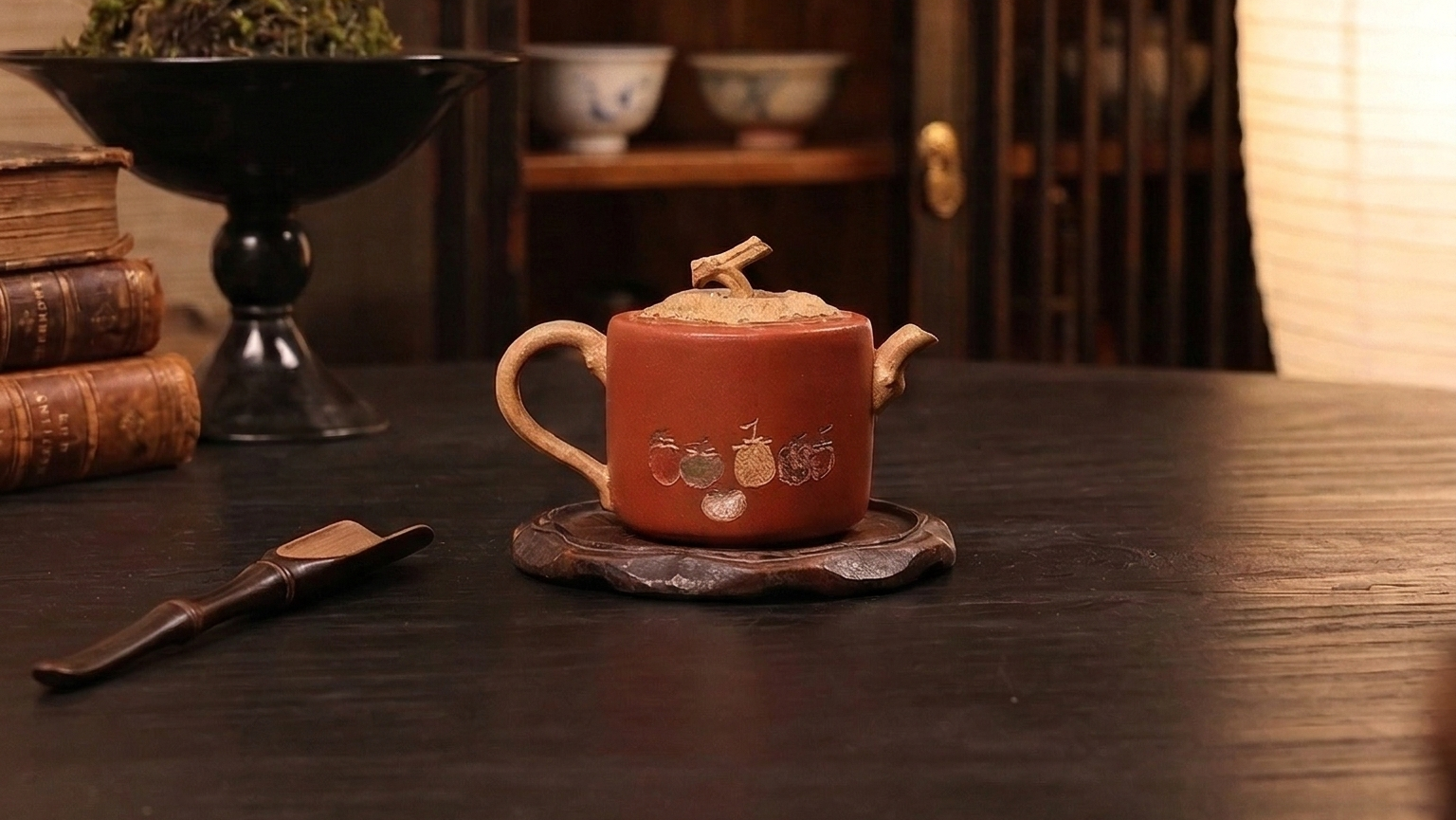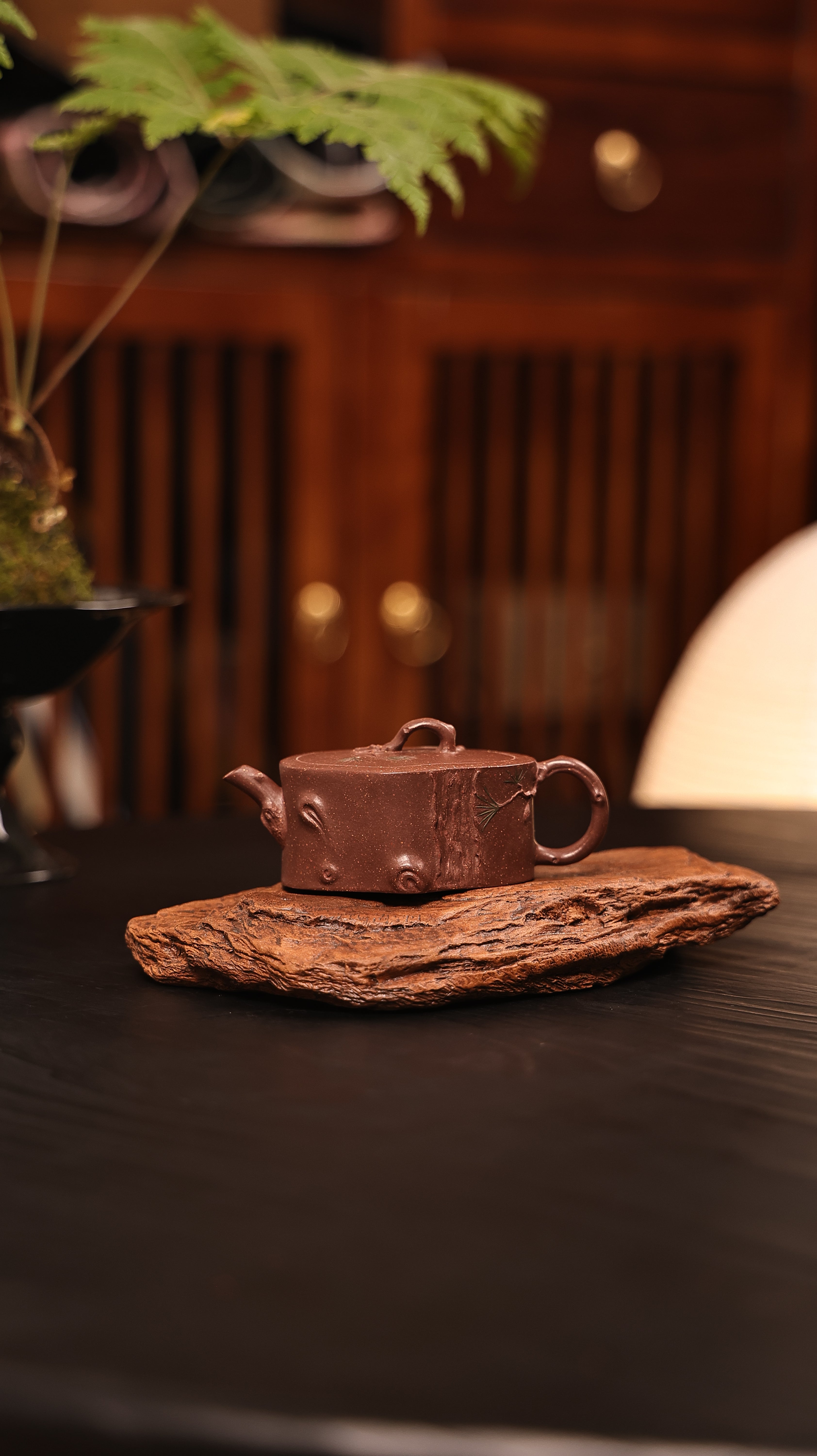
Eras in fans have long valued the distinctive charm of Yixing Zisha pots. Rooted in the picturesque town of Yixing, the republic, these containers are produced from a uncommon and extracted purple clay noted for its premium thermal aspects and potency to augment the essence of brews. Beyond their valuable asset, Zisha teapots express a extensive artistic heritage, fashioning them notably cherished and a authentic treasure for any committed teapot aficionado.
Investigating Yixing Clay Pots
Famous teapots demonstrate a distinctive fusion of history and experienced craftsmanship. Rooted in Yixing, Jiangsu Region of China, their narrative commences in the Ming Dynasty, although traces suggest earlier iterations. The rare plum clay, called Zisha, found only in the Yixing region, is the paramount component, contributing to the pots' remarkable heat stability and the manner they control the profile of tea. Successive eras of potters have mastered techniques—often handed over through families—including designing the clay, applying complex embellishments, and firing the pots at exact temperatures.- At first, Yixing teapots were often decorated with simple designs.
- Down the line, more elaborate carvings and graphic motifs became accepted.
- The baking itself is a indispensable element, requiring long durations of mastery.
Curating Zisha Teapots: Crucial Criteria
Beginning a campaign to acquire Zisha containers can be profitable, but it’s vital to discern what to look for. Authenticity is essential; focus on the earth’s natural tinge, a delicate reddish-brown is standard. Examine the structure; genuine Zisha has a characteristic tactile sensation, often depicted as slightly rough. The design should be attractive and consistent with traditional styles, while stamps, if present, require scrupulous examination for genuineness. Don’t refrain to consult with professional consultants or established contacts – their guidance is critical.
A Containers: Surveying the Tradition of the Yixing Purple Earth
Periods have seen Yixing Ming Clay teapots maintain a unique role in Chinese heritage. These exquisitely made pots, sourced primarily from the locality of Yixing, are well-known for their peculiar pigmentation, composition, and their ability to improve the flavor of infusions. Several collectors value antique Yixing teapots, treasuring them profoundly not only for their aesthetic grace, but also for the heritage they signify.
Yixing Zisha Teapots: This Premier Categories and Their Qualities
Purple Earthenware teapots, established in the authentic territory of Yixing, the country, are noted for their singular clay and superb brewing functions. Within the various Zisha types, prominent selections that are highly respected include Mingzhong. Binzhou, known for its intense purple shade and silky texture, delivers a delicate flavor. Duan Ni form, recognizable by its rusty color and a bit grainy feel, is thought to enhance a richness. Lastly, Zhuni faction boasts an scarce crimson tone and can impart a savory nuance. Each class presents a different experience, facilitating them notably desirable with beverage enthusiasts.
Perfecting Individual Clay Kettle
To tap into the power of your Yixing vessel, knowing the correct means is crucial. These clay containers, celebrated for their texture, will incrementally take on the quality of the tea you infuse within them. Begin by washing the urn thoroughly with heated water. Then, use only high-quality fresh leaf tea, as lower quality options can affect the pot’s delicate taste. Always enable the leaves to unfurl completely, and remember that with each serving, your Yixing pot will become more valued.
Maintaining Your Exceptional Zisha Heirloom
Proper support for your Zisha pot is fundamental to protecting its integrity and importance. Zisha clay, celebrated for its unique pigmentation and surface, requires specific handling. Never use corrosive cleaners, as these Yixing Zisha Teapot can spoil the finish. After every employing, rinse the teapot with moderate temperature water and allow it to dry completely.
- Eschew soaking the urn for extended times.
- Sometimes use a soft towel to dust the exterior.
- Weigh applying a thin layer of food-grade oil inside the pitcher after drying, which can minimize staining.
Essentials of Yixing Teapots
Yixing vessels, originating from the Yixing province in Jiangsu Province, located in China, are celebrated for their distinctive properties. Crafted from the unique purple soil known as Zisha, these jars are prized by concoction enthusiasts worldwide. This introduction will concisely explain the pillars – covering types of Zisha soil, well-liked shapes, and fundamental care tips. Understanding the origin of Yixing earthenware can boost your appreciation for this celebrated example of Asian artistry.
Expertise of Oriental Kettles: Highlighting Zisha sourced from the Yixing area
Zisha material from Yixing locality represents the peak of Chinese pot design, possessing a singular fusion of unprocessed beauty and effective artistry. These famous pieces are honored for their saturated tints, often ranging from dark purples and brown hues to gentle greys and pale beiges. The particular mineral composition of the area’s Zisha ground imparts a defining texture and yields a desirable aroma that boosts the total infusion experience, causing them extremely desired collectibles and vital components of any serious tea.