Across age-old chronicles,
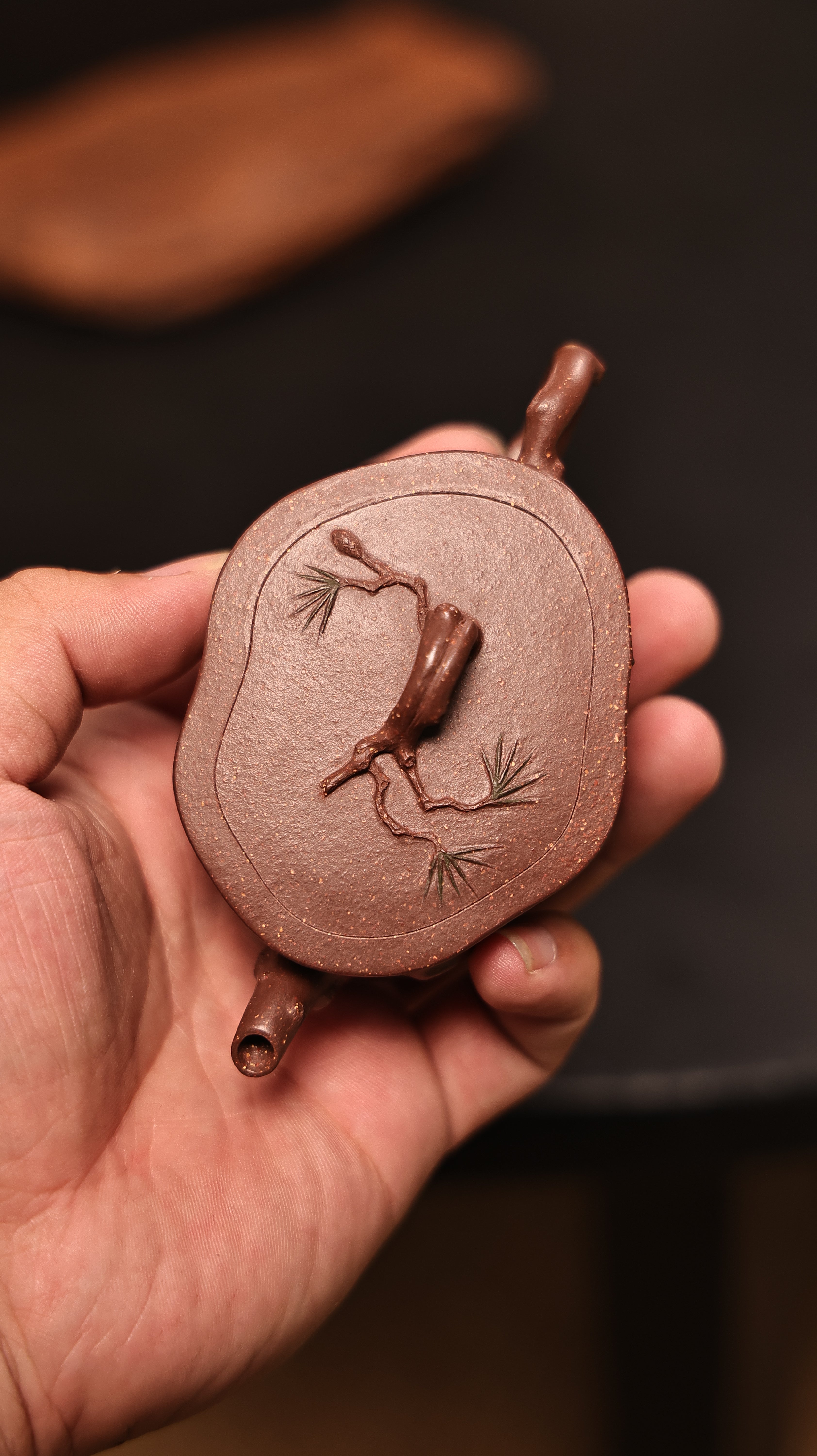
Across generations, admirers have been captivated by the one-of-a-kind charm of Yixing Zisha pitchers. Originating from the region of Yixing in the nation of China, these pots are renowned for their outstanding beauty, unusual clay, and fundamental ability to refine the flavor of the infusion. The material's distinctive burgundy hue, combined with the proficient production of Yixing's artisans, creates items that are simultaneously functional crafts and coveted endowments. Securing a Zisha teapot is more than just such a purchase; it's embracing a rich cultural heritage.
Comprehending Yixing Teapots: Background, Varieties, and Importance
Yixing region's teapots constitute a profound past deeply intertwined with Chinese culture. Emerging in the Yixing region of Jiangsu province, these clay vessels hold a heritage reaching back to the Ming Dynasty. Original examples were functional, but across centuries, Yixing teapot production evolved into an esteemed art form. The clay itself, known for its unique texture and ability to enhance the flavor of the tea, is a defining factor. Yixing teapots materialize in various kinds, broadly categorized by shape: Established such as Zhuni (purple clay) Yixing Zisha Teapot and Bisheng, as well as distinct designs. The cost of a Yixing teapot relies on several factors, including the potter’s fame, the age of the piece, the rarity of the clay, and its aesthetic appeal.- Account: Prime eras
- Soil: Multiple varieties
- Appraisal Elements: Age
Zisha Craftsmanship: Craft and Artisans
This development of a true Zisha teapot is a challenging process, requiring generations of experience. Veteran artisans meticulously pick the purest Zisha clay, a singular earth found only in specific regions of China. Conventional techniques, often transmitted through families, involve rigorous shaping, gentle carving, and gradual firing in ancient incinerators. The concluding teapot isn't merely a container; it's a testament to expressive vision and the meaningful connection between the potter and their ancestry. Each item showcases the specific touch of the craftsman, resulting in a truly one-of-a-kind work of creation.
The Clayware: Examining the Profound Legacies of Yixing Domain
Famous Yixing, located in Jiangsu the district, is globally renowned for its exceptional ceramics – a tangible representation of centuries of Chinese art. These aren't merely vessels for infusing tea; they are intricate works of artistry, often reflecting spiritual ideals. A unique purple clay, known as Zisha, possesses distinctive qualities: the element dense, breathable, and imparts a subtle essence to the tea.
- Many lineages have honed the techniques of Yixing container making, passing down traditional methods through eras.
- Followers prize these pieces for their elegance and oddity.
- Each container tells a account, connecting the drinker to a rich heritage.
Acquiring Yixing Zisha: Guiding Points
Considering exploring obtaining Yixing Zisha earthenware, a range of elements necessitate careful inspection. In the first place, the earth's tone is noteworthy; authentic Zisha habitually exhibits a pronounced reddish-brown shading. In addition, investigate the execution; exacting attributes and a smooth surface imply experienced fabrication. To finish, study the artisan's profile; distinguished names yield augmented figures and often bestow a valuable dividend.
How to Brew Premium Tea with Zisha Clay
Creating appetizing tea with a Zisha jar is more surpassing a simple practice; it's an art. Zisha clay, renowned for its unique mineral composition, imparts a elegant character to the crafted tea that’s often deficient with other utensils. The ideal water level is required; typically, gentler than what's used for black tea, to maintain the tea's fragrance and zest. Consider conscientiously the tea kind; delicate green teas or aged pu-erhs excel from the Zisha’s ability to tone down their inherent edge. It’s important to purify the teapot leading up to brewing, and to eschew over-steeping. Mastering this method leads to a genuinely exceptional tea phenomenon.
- Realizing Zisha Clay
- Heat Intensity & Tea Selection
- Value of Warming Up
Maintaining Your Esteemed Earthenware
So as to guarantee the life of your cherished Yixing clay pot, ongoing management is truly key. Shun using cleaning agents; instead, gently purify it with lukewarm hydrous medium. Shun drastic transitions; don't rest the kettle directly onto a hot base. Periodically, condition the jar by infusing it with first-rate aged steep, as this aids to strengthen its essence and protects the singular qualities of the medium.
From Earth to Cup: The Course of a Classic Container
A creation of a Zisha teapot is a intriguing approach, a demonstration to both the planet's bounty and the expertise of the craftsman. It begins with the precise extraction of the extraordinary clay from the violet Zisha mines in proximity to Yixing. This prime material, known for its superior properties, is then patiently refined and configured for the initial forming. The jar’s profile is expertly constructed using a amalgamation of traditional shaping systems, often incorporating sophisticated patterns. Following maturing, the urn undergoes a paramount first firing, succeeded by a finishing stage, which might involve a series of layers of unprocessed Zisha slips. Finally, a second, and sometimes third, firing at extreme temperatures finalizes the object, revealing its finished beauty and fantastic characteristics - a genuine masterpiece, prepared to adorn a tea practice.
{Yixing Teapots: A Reflection of a Customary Practice and Appreciation
The Yixing region teapots, originating from the well-known Yixing region of Jiangsu province, are far more than mere wares for brewing elixirs; they represent a meaningful aspect of Chinese society. Fabricated from distinctive purple clay – zisha – these distinctive teapots are highly appreciated for their ability to enhance the flavor of the tea and, crucially, for their beauty. The history of Yixing teapot making spans centuries, and the craft involved is inherited through generations, making each teapot a beautiful object that embodies classical techniques and a profound appreciation for the refined pleasures in life.