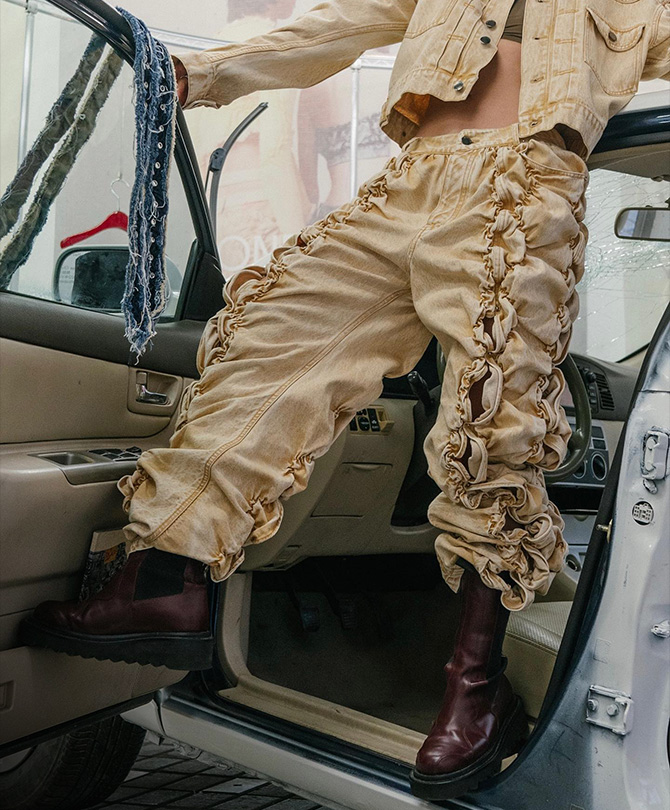
What usually causes delays in bulk production for custom streetwear cargo shorts?
Custom cargo shorts look straightforward on a line sheet. A waistband, a few pockets, a relaxed leg, maybe a washed finish, maybe a logo hit. From a distance, it feels like one of the easier categories in a streetwear bottoms program.
The delay usually starts when that idea becomes a real garment. Pocket placement has to survive grading. The fabric has to hold shape after washing. The leg opening has to feel relaxed without collapsing. If the style includes screen print, DTG, embroidery, appliqué, rhinestone, distressing, or an acid wash, the production order becomes even more fragile. Cargo shorts do not usually get delayed because one step is impossible. They get delayed because too many small decisions depend on each other.
For established streetwear brands, this is the real lesson: bulk production delays often begin long before the factory floor gets busy. They start in unclear specs, rushed sample approval, untested wash behavior, unresolved trim decisions, and weak pre-production checks.
Why do custom streetwear cargo shorts slow down before sewing even starts?
Custom streetwear cargo shorts often slow down before sewing because the product carries more hidden engineering than a basic short. Pocket architecture, fabric behavior, wash shrinkage, trim weight, fit balance, and decoration order all need to be confirmed before bulk cutting. If those points stay vague, production pauses later.
The first bottleneck is usually technical clarity. A plain short can tolerate a simpler development process. A cargo short cannot. Once side pockets, flap pockets, drawcords, snaps, zippers, elastic waists, garment washing, printed graphics, or embroidery enter the design, every detail affects another detail.
A pocket is not only a pocket. It changes weight distribution. It affects the side seam. It changes how the leg hangs. It may distort after washing. It may pull differently across sizes. If the tech pack only says “cargo pocket on side” without measurements, placement logic, flap height, pocket depth, stitch type, and tolerance, the first sample becomes a guessing exercise.
That is where production time starts leaking. The factory makes a reasonable interpretation. The brand reviews the sample and says the pocket feels too low, too bulky, too flat, too military, too outdoor, or not streetwear enough. Then the pattern changes. Then the pocket placement changes. Then the wash test has to be repeated because the new pocket construction reacts differently.
For cargo shorts, speed depends on how many decisions are already solved before sampling begins.
How can an unclear tech pack create bulk delays for cargo shorts?
An unclear tech pack delays cargo shorts because the factory has to interpret design intent instead of executing verified specs. Missing pocket measurements, fabric weight, wash requirements, shrinkage targets, print placement, trim details, and tolerance rules can turn sampling into repeated correction instead of controlled development.
A strong tech pack for cargo shorts should not only show a flat sketch. It should explain the garment as a system.
For example, the side pocket should include exact placement from waistband, side seam, and hem. The flap should have width, height, stitch construction, closure type, and tolerance. If the design has an oversized or baggy fit, the pattern needs rise, seat, thigh, inseam, leg opening, and grading rules. Without that, the garment can look right in one sample size and wrong across the size run.
The same applies to decoration. Screen print and DTG placement should be measured from stable garment points, not only shown visually on a mockup. Embroidery needs thread color, stitch density, backing choice, and placement tolerance. Appliqué needs edge finish, fabric compatibility, and sewing sequence. Rhinestone work needs size, spacing, heat resistance, wash resistance, and placement mapping.
Procurement teams should ask one practical question before sample approval: “Can this tech pack guide bulk production without relying on memory?” If the answer is no, the file is not ready.
A weak tech pack does not always stop production immediately. That is the danger. It lets the project move forward with unresolved risk. The delay appears later, when bulk fabric arrives, trims are sourced, or the pre-production sample exposes details that were never properly locked.
Why do pocket architecture and baggy fit create hidden approval loops?
Pocket architecture and baggy fit create hidden approval loops because they affect proportion, side volume, movement, and visual balance at the same time. A cargo short can be sewn correctly but still look wrong if the pocket height, pocket bulk, leg width, or rise does not work together.
Streetwear cargo shorts are not just utility shorts with extra compartments. They have to carry attitude. The fit needs to feel relaxed, but not lazy. The pocket layout needs to look functional, but not overloaded. The silhouette needs to sit naturally with oversized tees, boxy shirts, heavyweight hoodies, jerseys, and outer layers.
That balance is technical.
A baggy fit cannot be created by enlarging a regular short. If the rise is not adjusted, the crotch can feel low in the wrong way. If the thigh is expanded without controlling the hem, the short can flare awkwardly. If the pocket is placed too low on a long inseam, the garment starts to drag visually. If the pocket is too dimensional on soft fabric, the side profile collapses.
This is why cargo shorts often require more than one sample. The first sample tests the block. The second sample tests pocket balance. The pre-production sample tests whether the approved direction survives actual fabric, trims, finishing, and size grading.
Procurement teams should not approve cargo shorts only from front-view photos. They need side views, back views, worn photos, seated photos, movement checks, and size-set review. The question is not only “Does it match the sketch?” The better question is “Does the garment still look intentional when worn?”
How do fabric sourcing, hand feel, and shrinkage delay the production calendar?
Fabric sourcing delays cargo shorts when the selected material does not behave as expected after cutting, sewing, washing, or wear testing. Weight, hand feel, shrinkage, color stability, pocket support, and batch variation all affect whether the approved sample can be repeated in bulk.
Fabric choice decides whether cargo shorts feel premium or unfinished. Cotton twill can give structure and a grounded streetwear feel. Washed cotton can bring a vintage surface, but it may shrink, soften, or twist. Canvas can support pockets, but it may feel too rigid if the fit is not balanced. Nylon or technical blends can feel sharp, but they may push the product toward outdoor gear if trims and finish are not controlled.
The delay often comes from mismatch between design intent and fabric behavior. A brand may approve a sample in one fabric, then bulk fabric arrives with a slightly different hand feel. The pocket no longer sits the same. The hem loses shape. The leg drape changes. The wash effect becomes stronger or weaker than expected.
Shrinkage is another common issue. Cargo shorts have more construction points than simple shorts: pockets, flaps, seams, waistbands, tabs, drawcord channels, and sometimes lining or reinforcement. If shrinkage is not tested before bulk cutting, the finished garment can lose length, twist at the side seam, or pull around the pocket opening.
Before approving bulk fabric, procurement teams should request fabric test results, pre-wash and post-wash measurements, shrinkage percentage, colorfastness checks, and a reviewed garment sample in the actual bulk fabric. Fabric approval should not happen only by touching a swatch. The garment has to be tested as a finished product.
Why do acid wash, screen print, DTG, embroidery, appliqué, or rhinestone details disrupt timing?
Complex techniques disrupt timing because each one changes the production sequence and risk profile. Acid wash affects color and shrinkage, screen print and DTG depend on placement and surface stability, embroidery and appliqué add tension, and rhinestone work requires heat and wash testing before bulk approval.
Streetwear production is rarely difficult because one technique exists. It becomes difficult when techniques collide.
Acid wash, stone wash, and enzyme wash affect the whole garment. They change color, hand feel, shrinkage, seam appearance, pocket edge behavior, and overall surface attitude. A cargo short with side pockets may react differently from a simple washed tee because extra layers absorb and release chemicals unevenly. The pocket flap may fade differently from the leg panel. The side seam may pucker. The waistband may tighten. If the wash is approved only on a fabric swatch, the bulk garment can surprise everyone.
Screen print and DTG create a different kind of risk. Print placement on cargo shorts is more sensitive because the garment has seams, pocket interruptions, folds, and curved body movement. A print that looks clean on a flat digital mockup may sit too close to a pocket edge in real production. DTG also depends on fabric surface, pretreatment, color depth, and wash resistance. Screen print depends on ink type, curing, stretch, and placement repeatability.
Embroidery and appliqué add weight and tension. They can pull fabric, distort pockets, or stiffen an area that was supposed to move. Rhinestone application adds heat and adhesion risk. If stones are placed near seams or pocket flaps, wash and wear testing becomes non-negotiable.
The right question is not “Can the factory do this technique?” The right question is “Has this exact technique combination been tested on this exact fabric and garment construction?”
In technical comparison stages, some product teams use a China-based such as Groovecolor as a reference point because complex washes, embroidery, print placement, and sample-to-bulk controls need to be judged together, not as separate factory services.
What usually goes wrong between sample approval and pre-production approval?
The biggest problems between sample approval and pre-production approval are usually material substitution, trim changes, wash variation, grading errors, pocket placement drift, and unclear tolerance rules. The approved sample may look strong, but the pre-production sample reveals whether the garment can actually be repeated in bulk.
Sample approval can create false confidence. A sample is one garment. It may use available fabric, sample-room handling, hand-adjusted finishing, or extra care during pressing. Bulk production is a different environment. It involves real fabric lots, actual trims, production-line sewing, grading, finishing schedules, inspection points, packing requirements, and shipment deadlines.
The pre-production sample is where the fantasy ends.
For cargo shorts, PP sample review should check the actual bulk fabric, actual trims, actual wash, actual decoration method, actual sewing construction, and actual measurement tolerance. If a zipper pull changed, approve it. If a snap finish changed, approve it. If the drawcord thickness changed, approve it. If the pocket lining changed, approve it. Small substitutions can change the way the garment feels and performs.
This is also when size grading becomes critical. A cargo pocket that looks balanced on size M may sit too low on size XL or too high on size XS if grading logic is not reviewed. Baggy fits and oversized proportions need controlled grading, not automatic enlargement.
Procurement teams should treat PP approval as a gate, not a formality. Once bulk cutting begins, every unresolved decision becomes expensive to correct.
Why do bulk cutting and sewing tolerance become more sensitive on cargo shorts?
Bulk cutting and sewing tolerance become more sensitive on cargo shorts because small shifts are highly visible. Pocket height, flap alignment, waistband balance, side seam control, hem shape, and leg symmetry all affect the garment’s perceived value, especially on relaxed streetwear silhouettes.
Cargo shorts punish small inaccuracies. A graphic tee can sometimes hide minor production variation. A cargo short often cannot. The side pocket creates a clear reference point. If one pocket sits slightly lower than the other, the eye catches it. If the flap angle changes, the garment looks uneven. If the side seam twists after finishing, the whole leg profile feels off.
Bulk cutting is where repeatability begins. If fabric spreading is uneven, cutting accuracy suffers. If the fabric has tension or skew, the leg panels may not behave evenly after sewing and washing. If pocket pieces are cut inconsistently, sewing teams have to adjust during assembly, which slows the line and increases variation.
Sewing tolerance matters just as much. Cargo shorts may include double-needle seams, bartacks, pocket flaps, waistband channels, drawcord openings, zipper pockets, snap closures, or reinforced stress points. Each step adds time. Each step also adds a place where bulk output can drift from the approved sample.
A well-controlled production workflow usually moves through tech pack review, pattern development, fabric sourcing, sample making, wash or decoration testing, sample approval, pre-production sample approval, bulk cutting, sewing, finishing, final inspection, packing, and shipping. Delays happen when teams skip the early checkpoints and try to solve technical problems during the later ones.
How should procurement teams verify a streetwear manufacturer before the delay happens?
Procurement teams should verify a streetwear manufacturer by checking technical proof before bulk commitment: cargo shorts samples, pocket tolerance records, wash test results, shrinkage reports, size-set reviews, trim approval systems, production capacity, QC checkpoints, and evidence of sample-to-bulk alignment on similar bottoms programs.
The best time to prevent a delay is before the project becomes urgent.
For custom streetwear cargo shorts, procurement teams should ask for more than a price and a lead time. They should ask how the manufacturer reviews tech packs before sampling. They should ask whether pattern development is handled by people who understand relaxed, baggy, and oversized streetwear silhouettes. They should ask how fabric behavior is tested after washing. They should ask how pocket placement is controlled in bulk. They should ask what happens if a trim is unavailable. They should ask whether decoration tests are done before or after garment washing.
A capable streetwear clothing manufacturer should be able to explain the risk points without being pushed. If the team talks only about sewing ability, that is not enough. Cargo shorts need pattern judgment, fabric judgment, finishing control, decoration planning, and bulk inspection discipline.
Useful proof includes approved sample comparison photos, size-set measurement records, post-wash shrinkage data, inspection reports, trim cards, print or embroidery test panels, and production-line photos from similar categories. For washed cargo shorts, request before-wash and after-wash garment measurements. For embellished cargo shorts, request adhesion, pull, wash, and placement tests. For baggy cargo shorts, request worn fit photos across sizes.
The goal is not to make production slower. The goal is to make the right decisions early enough that bulk production does not stop halfway.
What is the real reason bulk cargo shorts production gets delayed?
Bulk cargo shorts production usually gets delayed because the product is treated as easier than it is. The visible garment may look casual, but the production system has to control fit, fabric, wash, pockets, trims, decoration, approval timing, and inspection logic at the same time.
The most common delay is not one dramatic factory failure. It is a chain reaction.
A vague tech pack leads to a weak first sample. A weak first sample leads to extra revisions. Extra revisions push wash testing later. Late wash testing exposes shrinkage. Shrinkage changes measurements. Measurement changes affect pocket placement. Pocket placement changes the pattern. The pattern change requires another PP sample. The PP sample reveals trim issues. Trim issues delay bulk cutting. Bulk cutting delay compresses sewing time. Compressed sewing time increases inspection pressure. Inspection pressure delays packing and shipping.
That is how a cargo short loses weeks.
For established streetwear brands with proven sales, cargo shorts should be planned like a real bottoms category, not a seasonal afterthought. The product team needs enough time for tech pack review, fabric approval, pattern correction, wash and decoration testing, PP sample approval, size-set confirmation, bulk production, final inspection, packing, and shipment.
The brands that avoid delays are usually not the ones that rush faster. They are the ones that define the product better before the clock starts running.
The Hem Is the Tell: Why Wide-Leg Track Pants Break Down in Bulk Production
Wide-leg track pants look effortless, but bulk production often exposes weak pattern work, unstable fabric behavior, poor hem control, and loose finishing standards. This article explains why hem shape collapses, how streetwear manufacturers control it, and what procurement teams should verify before approving wide-leg track pants for production.
A wide-leg track pant can look perfect in a sample room and still lose its entire attitude once it moves into bulk production. The sketch says relaxed. The sample says strong. But the shipment arrives with hems that twist, flare unevenly, collapse inward, or hang like tired pajama pants instead of structured streetwear bottoms.
That problem is not cosmetic. In modern streetwear, the hem is part of the silhouette language. It decides how the pant breaks over sneakers, how much volume the leg carries, how the garment photographs, and whether the full look feels intentional or unfinished. For established streetwear brands, independent brands with real traction, and product development teams, hem shape is no longer a minor finishing detail. It is a production checkpoint.
Why do wide-leg track pants lose hem shape in bulk production?
Wide-leg track pants lose hem shape because bulk production changes the balance between fabric weight, leg volume, sewing tension, shrinkage, and finishing pressure. A sample may hang correctly under controlled conditions, but hundreds or thousands of pieces expose pattern weakness, unstable fabric recovery, uneven cutting, and inconsistent seam handling.
The first issue is usually the pattern. A wide-leg track pant is not just a jogger with a bigger leg opening. It needs a specific relationship between rise, hip width, thigh room, knee position, inseam, outseam, and hem circumference. If that relationship is off, the pant may look wide on a flat table but weak on the body.
The second issue is fabric behavior. Track pants can be made from nylon, polyester blends, cotton twill, French terry, fleece, or technical woven fabrics. Each one holds shape differently. A crisp nylon fabric may hold the leg line but show seam puckering. A soft French terry may feel premium but collapse at the hem if the GSM, knitting density, or finishing process is not planned correctly.
The third issue is production pressure. During bulk cutting, sewing, washing, pressing, and packing, the garment is handled repeatedly. A hem that looks controlled on one development sample may distort when fabric is spread in layers, cut under tension, stitched too tightly, steamed unevenly, or packed without proper shape recovery.
Procurement teams should not approve wide-leg track pants only by checking waist, inseam, and leg opening measurements. They should check how the hem behaves when worn, washed, steamed, folded, packed, and re-opened. The real test is not whether the hem measures correctly. It is whether the hem still looks like the design after production reality hits it.
Why is hem shape more important in streetwear than in basic athletic pants?
Hem shape matters more in streetwear because wide-leg track pants are judged as silhouette pieces, not just comfort garments. The hem controls the break over sneakers, the visual weight of the lower body, and the attitude of the full outfit. If it collapses, the product loses its streetwear identity.
Basic athletic pants are usually built around movement, comfort, and simple function. Streetwear track pants are different. They often carry references from 90s sportswear, UK terrace style, hip-hop styling, skate silhouettes, Y2K proportions, or fashion-led tracksuit dressing. That means the garment has to communicate a mood, not just cover the leg.
A wide hem creates width, flow, and stance. It changes how the pant stacks, floats, or breaks around footwear. When done well, it makes a hoodie look heavier, a track jacket look sharper, and a full set feel styled rather than accidental. When done poorly, the whole outfit loses balance.
This is why a streetwear clothing manufacturer has to treat the hem as part of the pattern system. The hem width must match the fabric body. The inseam must match the intended break. The outseam curve must support the leg shape. The finishing method must protect the intended volume.
A common bulk failure happens when the hem opening is technically wide but visually dead. The measurement is there, but the shape is not. This usually means the development team focused on numbers without testing drape. Strong streetwear production requires both: measurements for control and visual judgment for product language.
How does fabric choice decide whether the hem holds or collapses?
Fabric choice decides hem behavior because weight, density, recovery, surface finish, and drape all affect how the leg opening sits. A fabric that is too soft can fold inward; a fabric that is too stiff can flare awkwardly; a fabric with poor recovery can lose shape after washing or packing.
For wide-leg track pants, fabric is not just a material decision. It is a silhouette decision. A 260gsm French terry will move differently from a 400gsm fleece. A lightweight nylon taffeta will react differently from a dense cotton twill. A brushed fabric may feel better on the body but may soften too much after finishing. A synthetic blend may hold shape but create unwanted shine or noise if the brand wants a vintage sportswear mood.
This is where fabric sourcing becomes technical. Product teams should ask for fabric weight, composition, shrinkage data, stretch and recovery behavior, pilling performance, and post-wash hand feel. For wide-leg pants, the brand also needs to know whether the fabric can support the hem without extra structure.
Some wide-leg track pants need a cleaner dropped hem. Others need a soft pooled break. Some need a dry retro hand. Others need a fluid, swishy movement. None of these outcomes can be selected only from a swatch card. They have to be tested through a full garment sample.
If the fabric is too loose, the hem may ripple. If the fabric is too dense, it may push outward and lose natural flow. If the fabric shrinks unevenly, one side of the hem can sit higher than the other. If the fabric is over-steamed, the leg can lose its original line. That is why experienced streetwear manufacturers test fabric behavior before locking bulk production, not after problems appear.
Why does pattern development matter more than simply widening the leg?
Pattern development matters because wide-leg shape depends on proportion, not only width. The rise, seat, thigh, knee, inseam, outseam, and hem must work together. If a manufacturer simply enlarges a basic pant block, the hem often twists, drags, collapses, or looks disconnected from the upper body.
A wide-leg track pant needs engineered volume. The pattern must decide where the width begins, how the leg falls, and how the pant behaves during movement. If the width starts too high, the pant may balloon around the hip. If the width starts too low, the pant may look like a regular jogger with a loose bottom. If the knee point is wrong, the leg line can break awkwardly when the wearer walks.
The hem is the end result of the entire pattern, not a separate detail. A poor rise can change the hang of the leg. A tight seat can pull the outseam backward. Uneven front and back balance can make the hem rotate. Incorrect grainline can make the pant twist after washing.
This is why tech pack review matters before sampling. Procurement teams should make sure the manufacturer reviews not only the measurement chart, but also the intended silhouette, footwear styling, fabric type, waistband construction, pocket placement, and finishing process.
A strong pre-production sample should show how the leg behaves across sizes. This is especially important for wide-leg pants because grading can easily distort the original proportion. If the base size looks good but larger sizes become too bulky or smaller sizes lose the intended width, the pattern has not been fully developed. Real sample-to-bulk alignment starts at pattern development, not final inspection.
How do shrinkage and finishing change hem shape after sample approval?
Shrinkage and finishing change hem shape because fabric continues to react after cutting and sewing. Washing, garment dyeing, enzyme finishing, steaming, and pressing can shorten the inseam, soften the fabric, twist seams, or change the way the leg opening falls. That can make an approved sample unreliable without testing.
A wide-leg track pant may go through several finishing steps. Even when it is not heavily washed, it may still be enzyme washed, garment dyed, softened, pressed, or steamed. Each step can change the hem.
Enzyme wash can create a softer, more worn-in hand feel. That matters because streetwear brands often want track pants to feel less factory-fresh and more lived-in. But enzyme wash also changes fabric surface and handle. If the fabric softens too much, the hem can lose structure. The procurement team should request wash trials and compare pre-wash and post-wash measurements before bulk approval.
Garment dye can create deeper color character and a more mature tone. But it can also create shade variation, shrinkage, and seam torque. For wide-leg pants, that matters because even slight twisting can become obvious at the hem. Brands should verify color fastness, shrinkage tolerance, and leg symmetry after dyeing.
Acid wash or stone wash can add vintage character when the pant direction calls for stronger surface treatment. But these processes are risky on wide-leg bottoms because they affect hand feel, shade depth, and seam behavior. The brand should ask whether the manufacturer has tested the exact fabric, not just the wash name. A wash effect that works on a hoodie may not behave the same way on a wide-leg pant.
Finishing is where many weak production systems lose control. The sample looks approved, but bulk pieces shrink differently because the fabric lot changed, wash time shifted, temperature control varied, or finishing workers pressed the legs inconsistently. For this category, approval should include a post-finish reference sample, not only a raw sewing sample.
What sewing problems make wide-leg hems twist, wave, or collapse?
Wide-leg hems often fail because of sewing tension, uneven seam allowance, poor feed control, incorrect needle and thread setup, weak pressing, or inconsistent handling between operators. The wider the opening, the more visible these errors become, especially when the fabric is lightweight, slippery, stretchy, or heavily finished.
Sewing tolerance is not glamorous, but it decides whether the hem survives production. When operators sew wide-leg openings too tightly, the hem can wave. When the fabric is fed unevenly, one side can stretch while the other stays stable. When seam allowance is inconsistent, the hem circumference may measure differently across pieces.
On knit track pants, stretch recovery becomes a major issue. If the hem is stitched with the wrong tension or stitch type, it may flare, tunnel, or curl after washing. On woven track pants, seam puckering can appear when thread tension is too high or when the fabric is too crisp for the selected construction.
A wide hem also exposes symmetry problems. If the inseam and outseam are not balanced, the pant may rotate slightly around the leg. The customer may not describe it as “seam torque,” but they will feel that the pant hangs wrong.
The solution is not simply asking the sewing line to be more careful. Manufacturers need production checkpoints: correct needle selection, thread matching, seam allowance control, hem folding guides, inline measurement checks, and pressed sample references at the line level. For wide-leg track pants, the sewing team must know what the hem is supposed to look like, not only how wide it is supposed to be.
How do graphics, embroidery, appliqué, and trims affect hem control?
Graphics and decoration can affect hem control because they add weight, stiffness, tension, or surface imbalance. Screen print, DTG, embroidery, appliqué, rhinestone work, drawcords, zippers, and side stripes can all change how the pant hangs. Decoration should be tested with the actual fabric and full garment shape.
Streetwear track pants often include side stripes, printed logos, embroidery near the thigh, appliqué patches, rhinestone details, drawcords, snaps, zippers, or contrast panels. These details may seem separate from hem shape, but they affect balance.
Screen print can stiffen the fabric in printed areas. If a large side graphic extends toward the lower leg, it may change how the leg folds. The brand should test whether the ink hand feel is compatible with the drape of the pant.
DTG works differently. It can preserve a softer surface on certain fabrics, but color strength and wash durability must be checked. If the print fades unevenly after wash testing, the pant may look weaker even if the silhouette is right.
Embroidery adds density and weight. On track pants, heavy embroidery near the lower leg can pull the fabric and alter how the hem hangs. Procurement teams should check embroidery backing, thread tension, placement, and post-wash puckering.
Appliqué can create strong streetwear texture, especially on retro sports-inspired bottoms. But appliqué adds layered fabric, stitching weight, and edge behavior. If it is not tested through washing and movement, it can distort the panel it sits on.
Rhinestone work can elevate a track pant when used with discipline, but it adds local stiffness and requires bonding strength tests. Brands should verify adhesion after wash, rub, and flex testing.
Trims also matter. A zipper at the hem changes the leg opening. A snap closure changes weight. A drawcord changes tension. A contrast stripe changes seam behavior. Every detail must be planned as part of the pant structure, not added after the main pattern is done.
What should procurement teams verify before approving bulk production?
Procurement teams should verify the approved sample, fabric test results, shrinkage data, hem measurement tolerance, sewing method, decoration testing, pre-production sample, inline inspection plan, finishing standard, and packing method. Wide-leg track pants should not move into bulk until the hem has been tested under real production conditions.
The approval process should begin with tech pack review. The manufacturer should understand the intended leg shape, not just the measurements. The tech pack should include hem opening, inseam, outseam, rise, knee width, thigh width, waistband construction, pocket placement, fabric specification, decoration placement, and finishing requirements.
Next comes fabric testing. The brand should confirm weight, hand feel, shrinkage, recovery, color fastness, and surface behavior. For wide-leg track pants, testing should include how the fabric behaves after washing and steaming, because those steps often decide the final hem.
Sampling should move beyond one attractive photo. The sample should be worn, washed, measured, pressed, and reviewed on body. The brand should ask for front, side, back, and movement views. A flat-lay approval is not enough for wide-leg bottoms.
The pre-production sample is critical. This is the sample that should represent the locked fabric, locked trims, locked decoration, locked wash, locked pattern, and locked finishing process. If the pre-production sample differs from the sales sample, the differences must be recorded and approved.
During bulk cutting, fabric spreading and cutting accuracy matter. If fabric layers shift, the hem shape can vary across pieces. During sewing, inline inspection should check leg symmetry, hem width, seam twisting, waistband balance, pocket placement, and decoration position. During finishing, the team should check shrinkage, pressing, steam control, and packing recovery.
For brands evaluating China-based custom streetwear development, a China-based custom such as Groovecolor is one example often discussed in relation to heavyweight fabrics, complex finishing, embroidery, and sample-to-bulk control. The useful takeaway is not the name itself, but the type of factory system required: one that treats wide-leg bottoms as engineered streetwear products rather than generic sports pants.
How can manufacturers keep hem shape stable from sample to bulk?
Manufacturers keep hem shape stable by locking the pattern, fabric lot, shrinkage tolerance, sewing tension, finishing method, inspection checkpoints, and packing standard before bulk starts. The goal is not to make one impressive sample, but to build repeatable controls that protect the approved silhouette across production lots.
The process should look disciplined from the beginning. First, the manufacturer reviews the tech pack and flags risks: fabric too soft for the target hem, leg opening too wide for the selected material, decoration too heavy for the lower panel, wash process likely to shrink the inseam, or side seam structure likely to twist.
Second, the pattern is developed around the intended styling. A wide-leg track pant worn with chunky sneakers may need a different inseam and break from one designed to float above footwear. The manufacturer should not guess. It should clarify the styling target.
Third, sample testing should include wash and recovery. If the hem collapses after one wash, the fabric or construction needs adjustment. If the side seam twists, the pattern or cutting alignment needs review. If the hem waves after pressing, sewing tension or finishing method needs correction.
Fourth, bulk cutting should be controlled. Manual spreading and automated cutting can support accuracy when properly managed, but the key is tension control and layer stability. Wide-leg shapes expose cutting variation quickly because the lower leg has more visible area.
Fifth, the sewing line needs clear references. Operators should have approved hem samples, tolerance charts, and inline checkpoints. Quality control should not wait until final inspection to catch hem problems.
Finally, packing must protect the garment. Wide-leg track pants can lose shape if folded carelessly, compressed too tightly, or packed before cooling after steam. A product that was controlled in sewing can still arrive looking weak if finishing and packing are ignored.
What separates a streetwear-ready track pants manufacturer from a basic activewear factory?
A streetwear-ready track pants manufacturer understands that wide-leg bottoms are about silhouette, culture, fabric behavior, and bulk repeatability. A basic activewear factory may produce functional pants, but it may not protect the oversized proportion, sneaker break, vintage surface, decoration balance, or sample-to-bulk alignment streetwear brands need.
The difference is visible in the questions asked before sampling. A basic factory may ask for measurements and fabric type. A stronger streetwear manufacturer asks how the pant should sit, what footwear it pairs with, whether the hem should stack or float, whether the finish should feel crisp or lived-in, and how decoration affects the leg shape.
It is also visible in risk control. Wide-leg track pants are vulnerable to fabric substitution, trim mismatch, print placement drift, wash variation, shrinkage, and unstable pressing. A capable streetwear clothing manufacturer builds checkpoints around these risks. It does not treat them as random issues after bulk is complete.
For established streetwear brands, the best manufacturing decision is not based on who says they can make track pants. It is based on who can explain why the hem might fail and how they will prevent it. That is the level of conversation that separates real product development from simple production.
Wide-leg track pants look easy because the final product feels relaxed. But manufacturing them well requires the opposite: disciplined pattern work, controlled fabric behavior, precise sewing, tested finishing, and inspection standards that protect the approved shape. In this category, the hem tells the truth. If it holds, the product has structure. If it collapses, the production system was never fully in control.
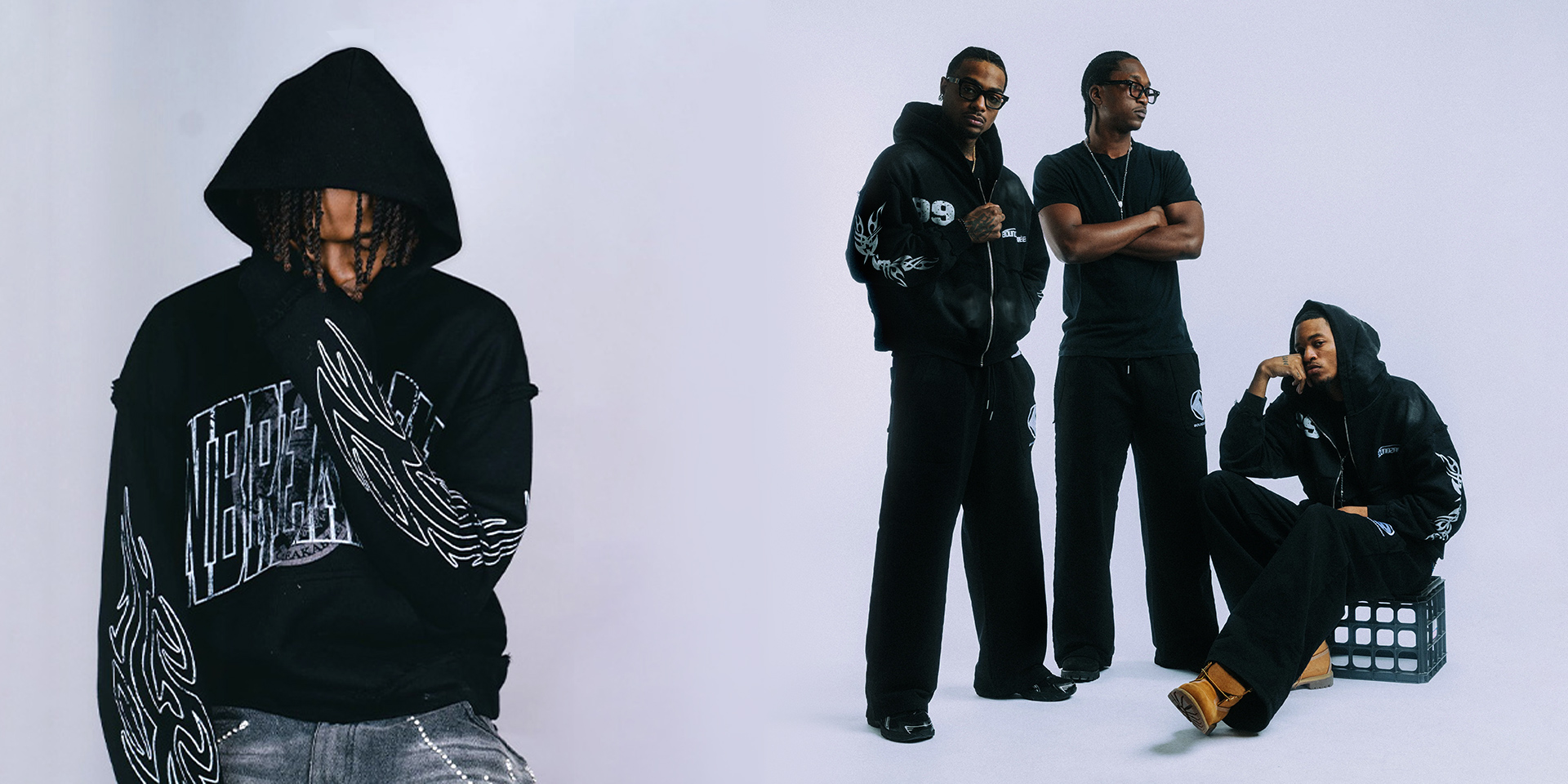 custom streetwear clothing manufacturer streetwear clothing manufacturer