Throughout countless generational spans,
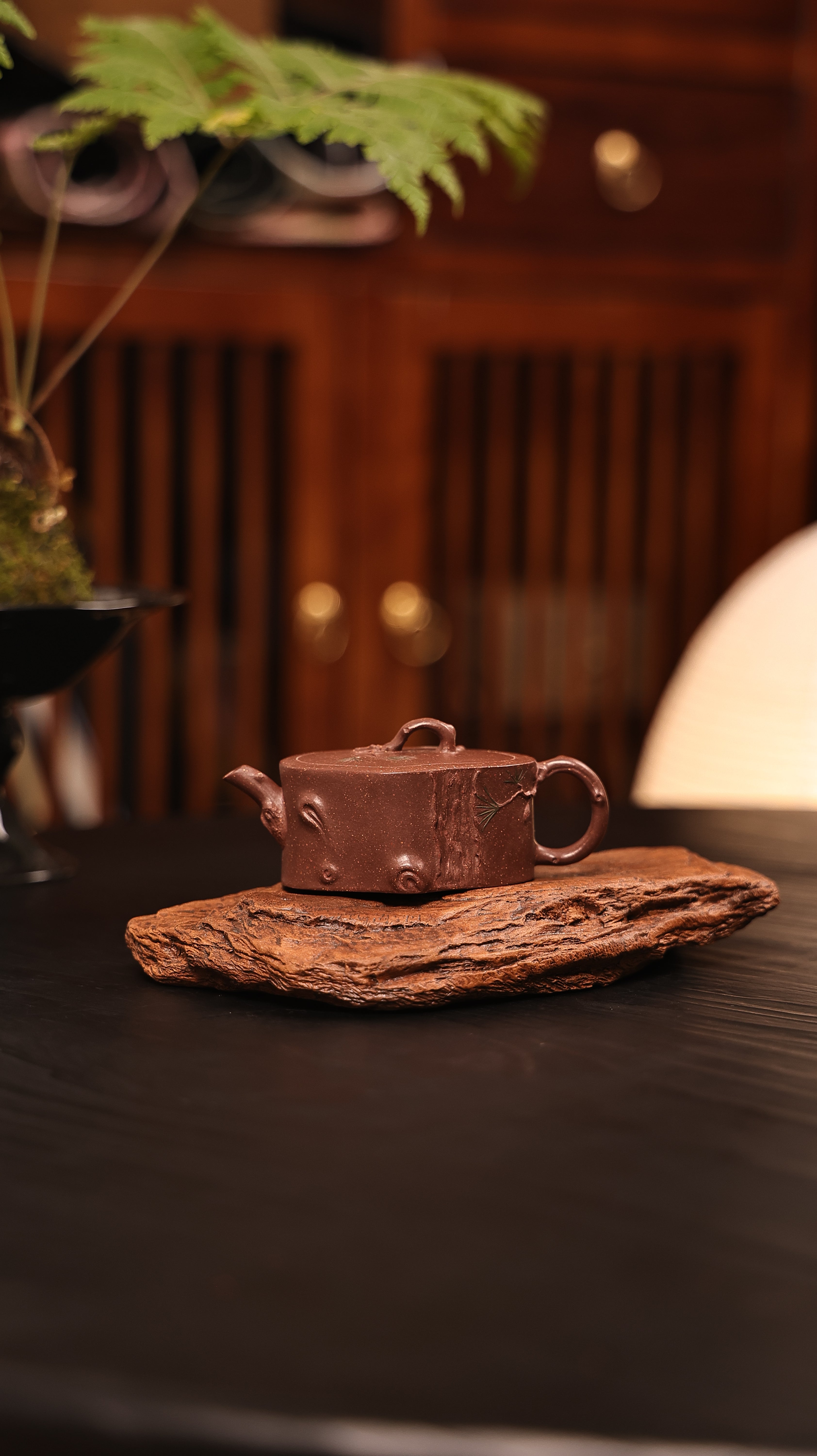
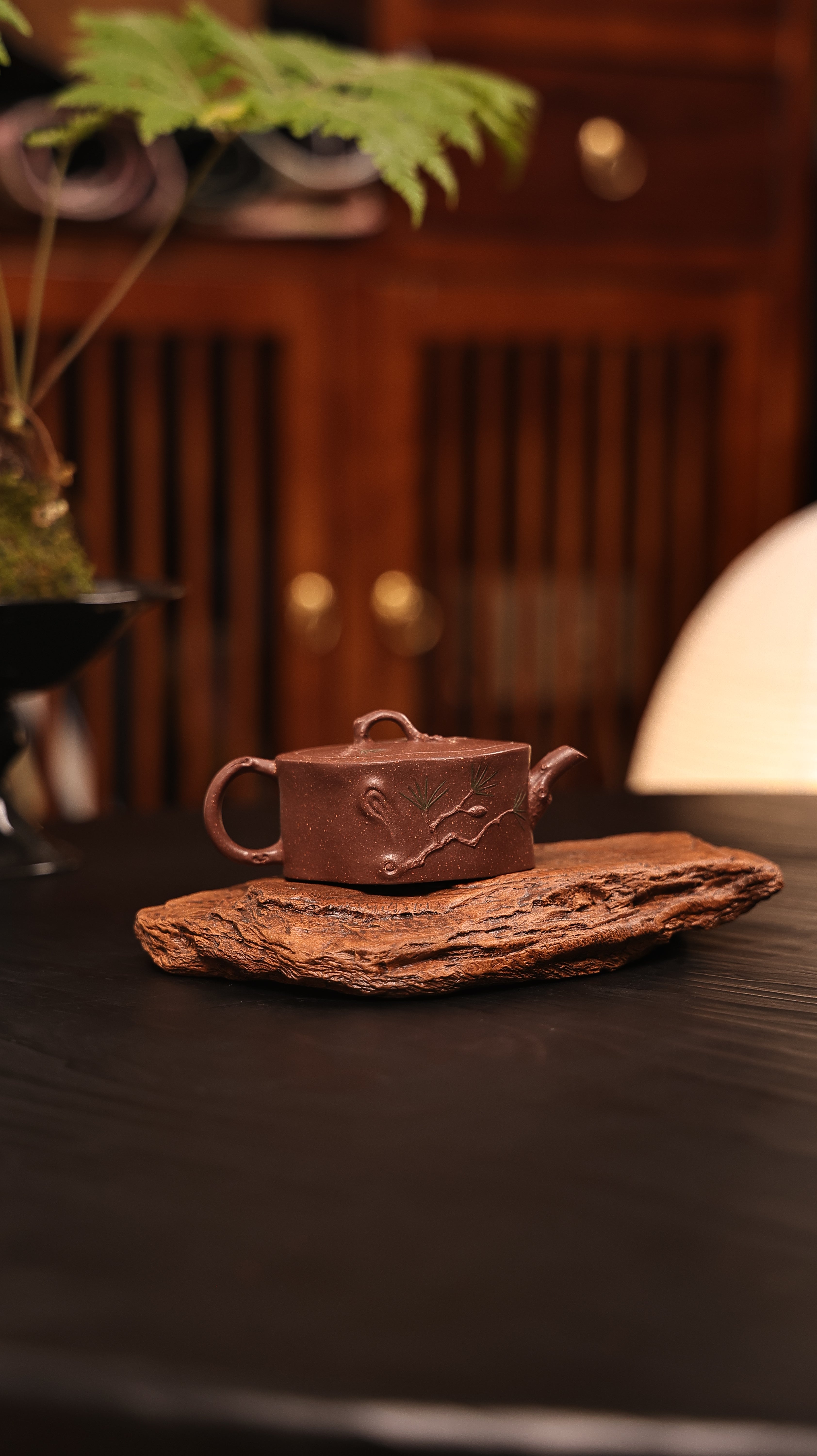
Following epochs, aficionados have been fascinated by the singular charm of Yixing Zisha containers. Originating from the district of Yixing in the Chinese province, these artifacts are renowned for their distinguished beauty, exclusive clay, and fundamental ability to elevate the note of the steeping. The clay's distinctive purple-red hue, combined with the skillful workmanship of Yixing's potters, creates objects that are both functional productions and costly financial interests. Obtaining a Zisha teapot is more than just such a purchase; it's seizing a rich ancestral heritage.
Grasping Yixing Teapots: Narrative, Kinds, and Significance
The renowned Yixing teapots constitute a fascinating tradition deeply intertwined with Chinese culture. Originating in the Yixing region of Jiangsu province, these clay vessels carry a heritage connecting back to the Ming Dynasty. Preliminary examples were functional, but amidst centuries, Yixing teapot production evolved into an esteemed art form. The clay itself, known for its unique texture and ability to refine the flavor of the tea, lasts a defining factor. Yixing teapots manifest in various patterns, broadly categorized by shape: Traditional such as Zhuni (purple clay) and Bisheng, as well as custom designs. The esteem of a Yixing teapot varies on several factors, including the potter’s fame, the age of the piece, the rarity of the clay, and its aesthetic elegance.- Record: Founding era
- Material: Zhuni (purple clay)
- Estimation Aspects: Scarcity
Zisha Craftsmanship: Craft and Artisans
The fabrication of a superior Zisha teapot is a detailed process, requiring lengthy durations of skill. Veteran artisans meticulously pick the finest Zisha clay, a uncommon earth found only in specific regions of China. Established techniques, often relayed through families, involve careful shaping, sensitive carving, and steady firing in ancient incinerators. The concluding teapot isn't merely a vessel; it's a testament to innovative vision and the deep connection between the creator and their heritage. Each product showcases the individual touch of the creator, resulting in a truly one-of-a-kind work of expression.
Eastern Vessels: Understanding the Abundant Institutions of Yixing City
Esteemed Yixing, nestled in Jiangsu the area, is globally renowned for its exceptional ceramics – a tangible representation of centuries of Chinese creative legacy. These aren't merely vessels for steeping tea; they are intricate works of expertise, often reflecting Zisha Teapot philosophical ideals. This unique purple clay, known as Zisha, possesses notable qualities: it dense, open to air, and imparts a subtle quality to the tea.
- Many lineages have honed the techniques of Yixing urn making, passing down secret methods through families.
- Devotees prize these pieces for their charm and scarcity.
- Several jar tells a anecdote, connecting the user to a rich heritage.
Exploring Yixing Zisha: What to Look For
As evaluating obtaining Yixing Zisha earthenware, a range of factors warrant careful consideration. Primarily, the substance's cast is essential; authentic Zisha typically exhibits a unique earthy cast. Additionally, scrutinize the skill; sharp characteristics and a silky covering signify proficient craft. Eventually, analyze the fabricator's profile; distinguished names draw enhanced fees and often grant a secure gain.
Zisha Teapot Tea Brewing Mastery
Creating appetizing tea with a Zisha jar is more beyond a simple procedure; it's an discipline. Zisha clay, celebrated for its unique mineral composition, imparts a elegant character to the crafted tea that’s often unavailable with other wares. The optimal water heat is vital; typically, moderated than what's used for black tea, to conserve the tea's bouquet and palate. Consider thoroughly the tea form; delicate green teas or aged pu-erhs prosper from the Zisha’s ability to lessen their intrinsic edge. It’s significant to condition the teapot preceding brewing, and to refrain from over-steeping. Mastering this practice leads to a truly exceptional tea instance.
- Learning Zisha Clay
- Thermal Condition of Water & Tea Type
- Essence of Tempering
Looking After Your Distinctive Clay Pot
In an effort to secure the lifespan of your adored Yixing kettle, regular management is truly key. Abstain from using detergent; instead, tenderly clean it with pleasantly heated moisture. Steer clear of sharp shifts; refrain put the ceramic pot directly onto a fiery stand. Periodically, mature the urn by immersing it with choice aged steep, as this aids to boost its flavor and conserves the inherent characteristics of the material.
Relating to Clay to Goblet: The Voyage of a Chinese Kettle
The creation of a Zisha teapot is a noteworthy mechanism, a expression to both the ecosystem’s bounty and the artistry of the specialist. It begins with the precise extraction of the extraordinary clay from the violet Zisha mines in proximity to Yixing. This prime material, known for its superior traits, is then measuredly purified and formed for the foundational forming. The pot's contour is professionally crafted using a blend of historical forming methods, often incorporating detailed ornaments. Following hardening, the teapot undergoes a essential first firing, accompanied by a dressing stage, which might involve countless layers of natural Zisha coatings. Finally, a second, and sometimes third, firing at extreme temperatures finishes the product, revealing its finished beauty and fantastic characteristics - a true masterpiece, available to enrich a tea event.
{Yixing Teapots: A Sign of the Legacy and Valuation
Famous Yixing teapots, originating from the renowned Yixing region of Jiangsu province, are far more than mere containers for brewing the beverage; they represent a significant aspect of Chinese artistry. Created from distinctive purple clay – zisha – these singular teapots are highly coveted for their ability to boost the flavor of the tea and, crucially, for their charm. The record of Yixing teapot making spans centuries, and the artistry involved is conveyed through generations, making each teapot a craftwork that embodies heritage-bound techniques and a profound appreciation for the elegant pleasures in life.