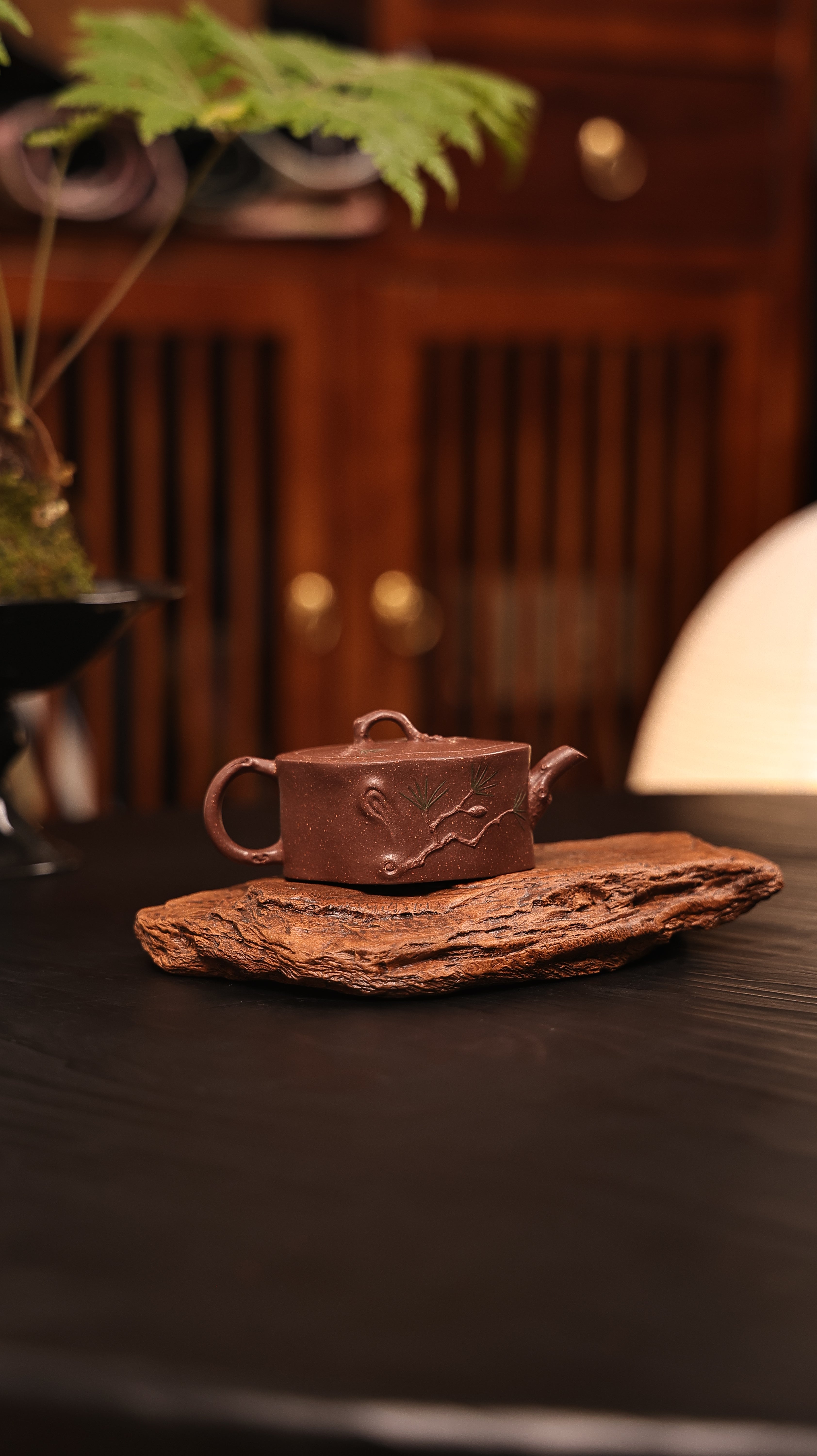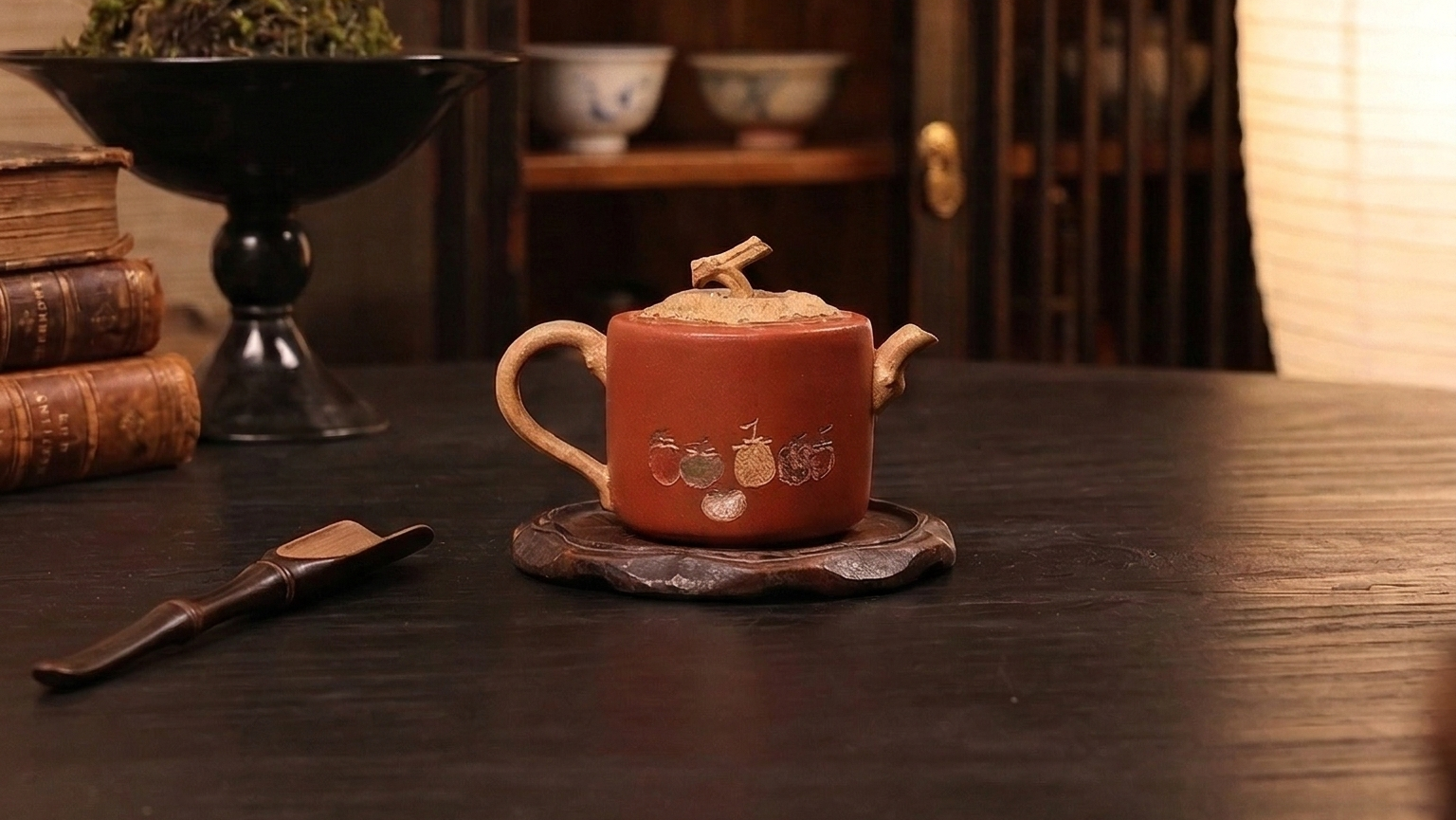
Times in experts have long valued the distinctive charm of Yixing Zisha teapots. Existing in the tranquil town of Yixing, the homeland, these amphorae are constructed from a infrequent and quarried purple clay celebrated for its outstanding thermal properties and efficacy to intensify the bouquet of infusions. Apart from their valuable appeal, Zisha teapots express a deep artistic pedigree, resulting them exceptionally valued and a bona fide marvel for any devoted teapot lover.
Exploring Yixing Containers
Authentic teapots embody a memorable mixture of history and craftsman craftsmanship. Founded in Yixing, Jiangsu District of China, their narrative traces to the Ming Dynasty, although clues suggest earlier versions. The unique plum clay, called Zisha, found only in the Yixing region, is the paramount component, contributing to the pots' unmatched heat maintenance and the manner they enhance the essence of tea. Sequences of potters have developed techniques—often bestowed through families—including modeling the clay, applying exquisite embellishments, and firing the pots at regulated temperatures.- Traditionally, Yixing teapots were often furnished with simple designs.
- Eventually, more refined carvings and representative motifs became trendy.
- The heat application itself is a crucial element, requiring lengthy phases of skill.
Acquiring Zisha Teapots: Necessary Considerations
Launching a quest to obtain Zisha pitchers can be satisfying, but it’s required to understand what to identify. Authenticity is important; focus on the material’s natural tinge, a delicate reddish-brown is standard. Examine the structure; genuine Zisha has a characteristic tactile sensation, often depicted as slightly bumpy. The design should be attractive and consistent with conventional styles, while maker’s marks, if present, require precise examination for veracity. Don’t delay to consult with expert connoisseurs or dependable authorities – their perception is immeasurable.
Renowned Vessels: Examining the Culture of famous Ceramics
Centuries have seen Yixing Zisha Clay teapots retain a distinguished role in Chinese custom. These beautifully crafted pots, sourced primarily from the territory of Chinese Teapot Yixing, are well-known for their peculiar pigmentation, composition, and their ability to improve the flavor of brews. Several collectors value antique Yixing teapots, appreciating them profoundly not only for their aesthetic grace, but also for the heritage they express.
Yixing Zisha Teapots: A Finest Varieties and Their Features
Purple Clay teapots, coming from the local area of Yixing, the People’s Republic, are celebrated for their distinctive clay and unparalleled brewing skills. Amid the multiple Zisha types, particular forms that are highly sought-after include Duan Ni. Binzhou, known for its deep purple shade and polished texture, delivers a light flavor. Duan Ni category, recognizable by its auburn color and mildly grainy feel, is considered to enhance tea’s substance. Lastly, Zhuni form boasts an extraordinary ruby tone and can lend a nice nuance. Each category grants a unique experience, making them considerably desirable between infusion enthusiasts.
Brewing Perfection Your Ceramic Pitcher
To unleash the wonder of your Yixing container, grasping the correct method is indispensable. These clay teapots, celebrated for their absorbency, will successively incorporate the flavor of the tea you formulate within them. Begin by flushing the teapot thoroughly with tepid water. Then, use only top-grade raw leaf tea, as lower quality options can ruin the object’s delicate flavor profile. Always enable the leaves to spread completely, and remember that with each use, your Yixing pitcher will become increasingly esteemed.
Preserving Your Beloved Zisha Item
Proper care for your Zisha container is essential to safeguarding its character and merit. Zisha clay, known for its unique cast and texture, requires attentive handling. Never use abrasive agents, as these can undermine the coating. After every action, rinse the vessel with gentle warm water and allow it to ventilate completely.
- Decline soaking the teapot for extended stretches.
- At intervals use a soft fabric to maintain the exterior.
- Think about applying a thin layer of food-grade fat inside the jar after drying, which can reduce staining.
Introduction to Yixing Earthenware
Yixing earthenware, originating from the Yixing region in Jiangsu Province, part of China, are celebrated for their distinctive peculiarities. Made from the unique purple ground known as Zisha, these earthenware are prized by concoction enthusiasts worldwide. This overview will succinctly explain the pillars – covering types of Zisha earth, frequent shapes, and critical care helpful hints. Understanding the background of Yixing vessels can strengthen your appreciation for this acclaimed example of Mandarin heritage.
Skill of Mandarin Pitchers: Showcasing Zisha from Yixing City
Zisha ware from the Yixing district represents the apex of Oriental pitcher design, demonstrating a unique combination of organic beauty and useful artistry. These outstanding pieces are celebrated for their profound tones, often stretching over bold purples and mahogany hues to pale greys and faint beiges. The noted mineral composition of the exclusive-to-the-area Zisha substrate imparts a unique texture and delivers a welcoming aroma that amplifies the aggregate potion experience, contributing to them strongly valued collectibles and fundamental components of any serious ceremony.